Mastering Slit Buttonholes
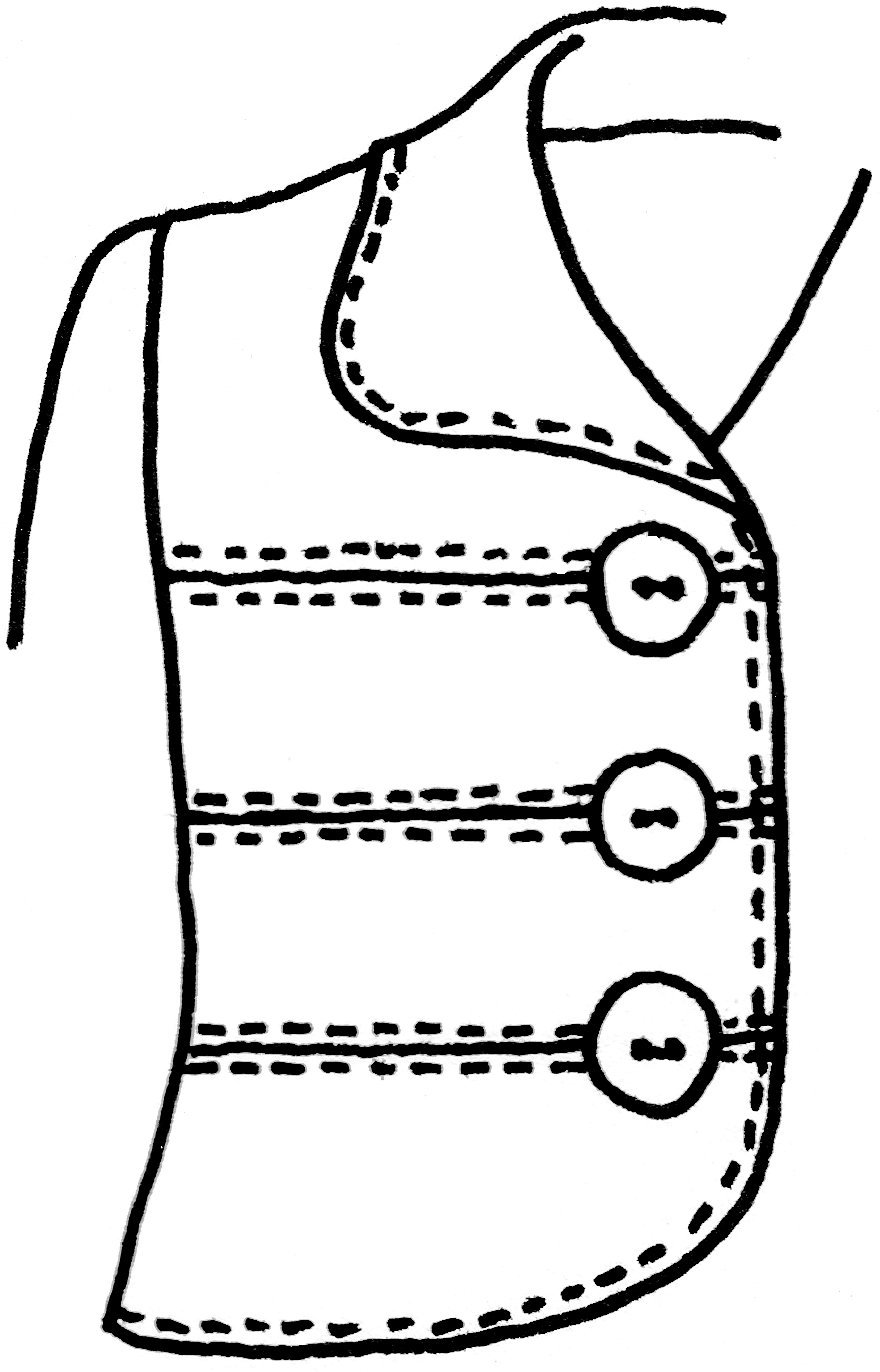
Slit buttonholes are simply openings in a seam that are part of the garment’s design. Sometimes they’re called in-seam buttonholes. They’re a solution if you dislike making regular buttonholes, but more often are used as a design feature.
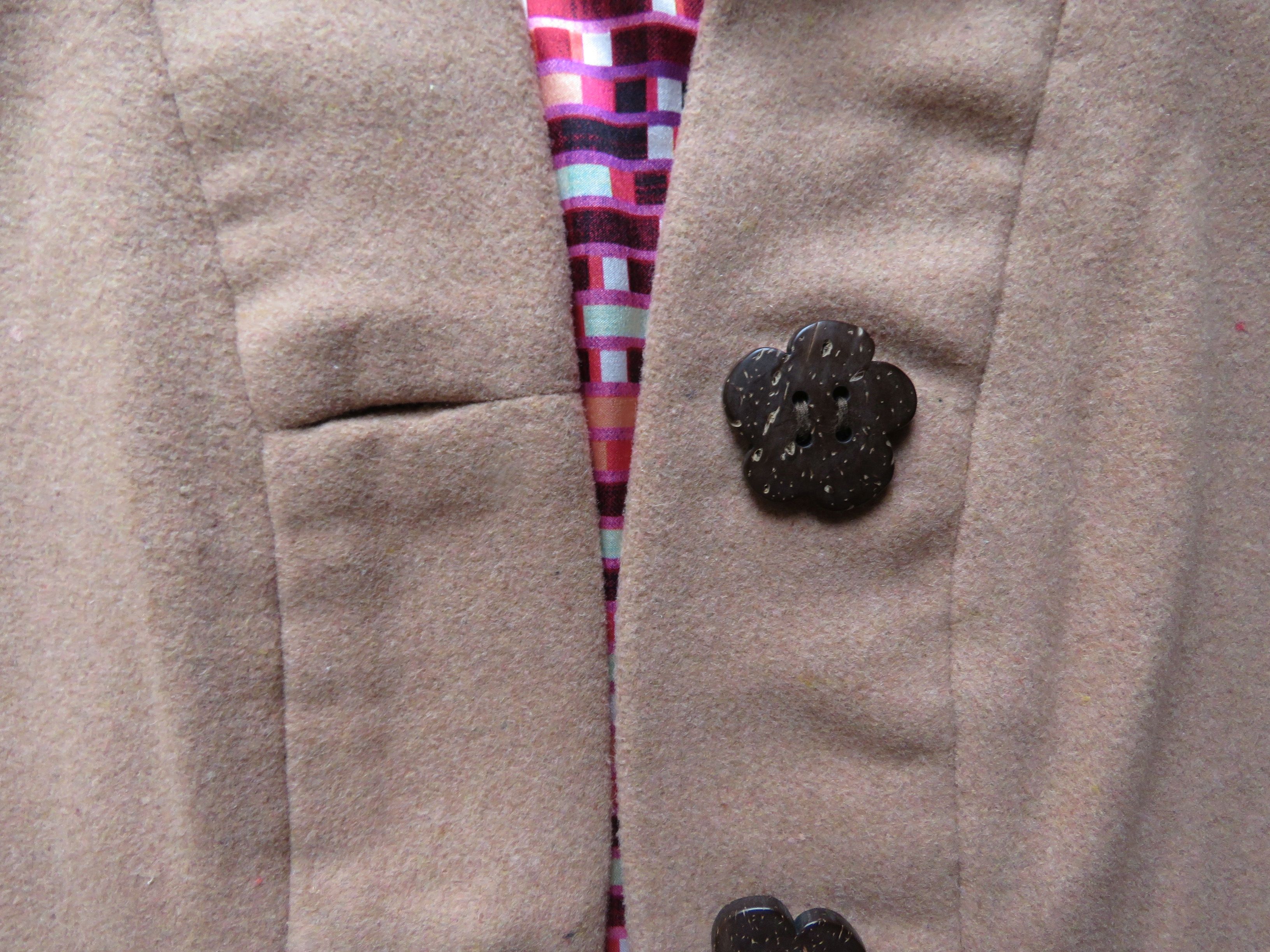
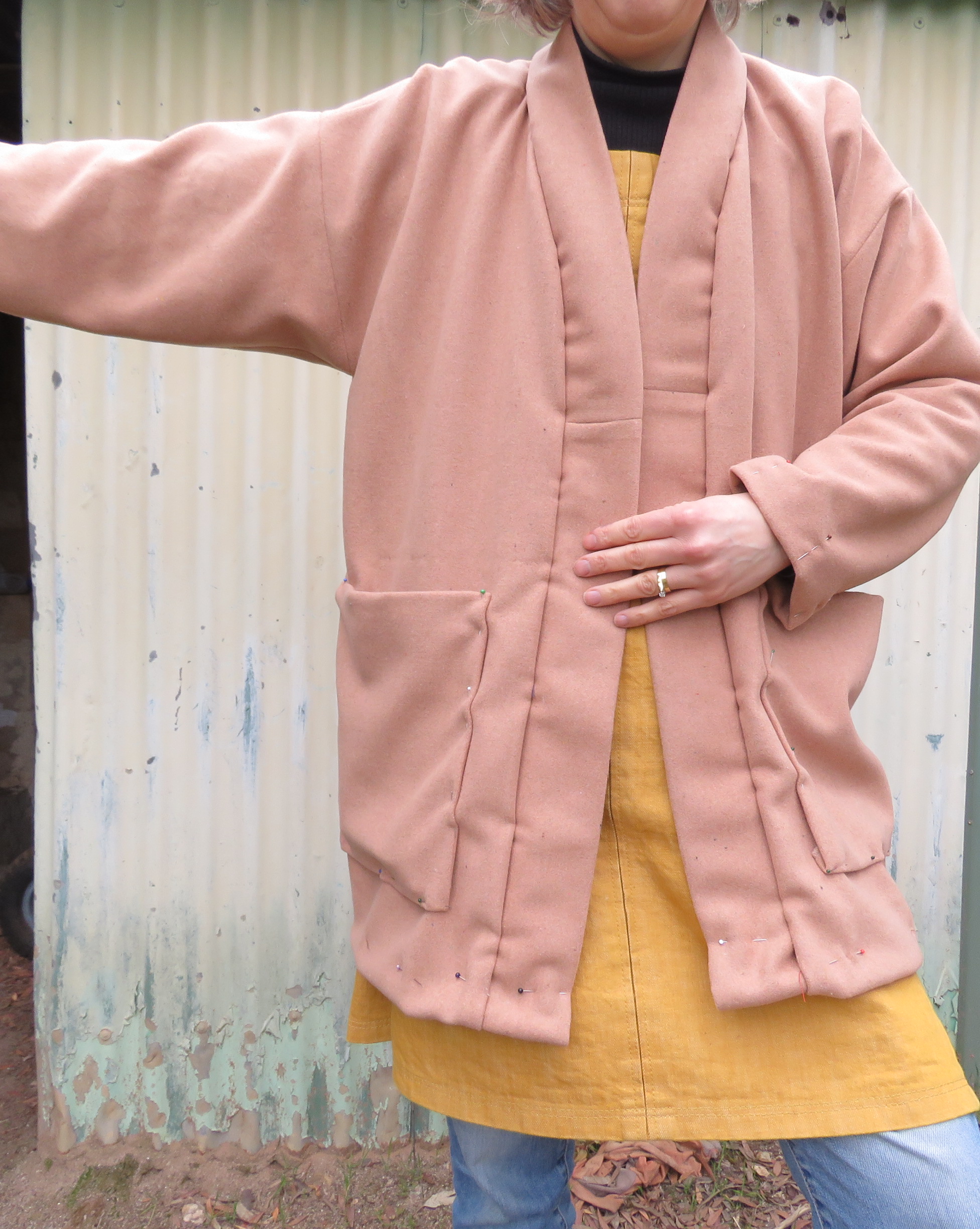
I recently used slit buttonholes for the jacket for Cotton Time magazine. The front band has five slit buttonholes.

The magazine initially rejected this jacket as they didn’t realise the buttonholes were slits – they needed an easy sewing experience without regular buttonhole making.
It’s not hard to create a seam in a pattern into which you can incorporate a buttonhole (draw a line on the pattern, cut through and add seam allowances on both sides). However, the big catch is you need to know the button placement and button size before you do this.
As the Cotton Time jacket was also a zero waste pattern, there was quite a bit of faffing around to get the buttonholes in the right place. Originally I thought it might have one button, but when it was together it clearly needed five.
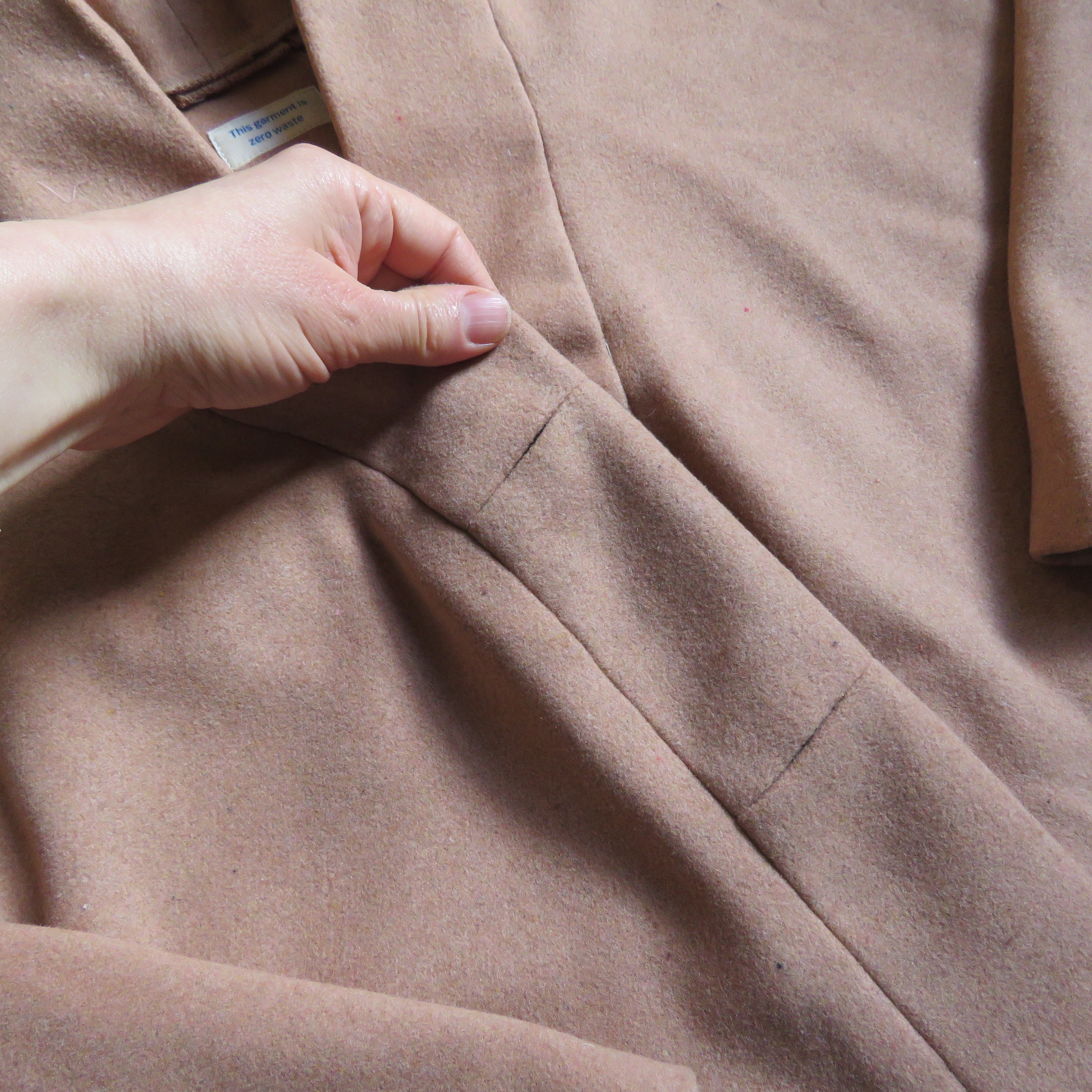
For slit buttonholes, the opening in the seam is the same size as the button. It’s important to securely backstitch at each end of the slit. You also need to sew very accurately! Millimetres count. Measure carefully or make a cardboard template for the size.
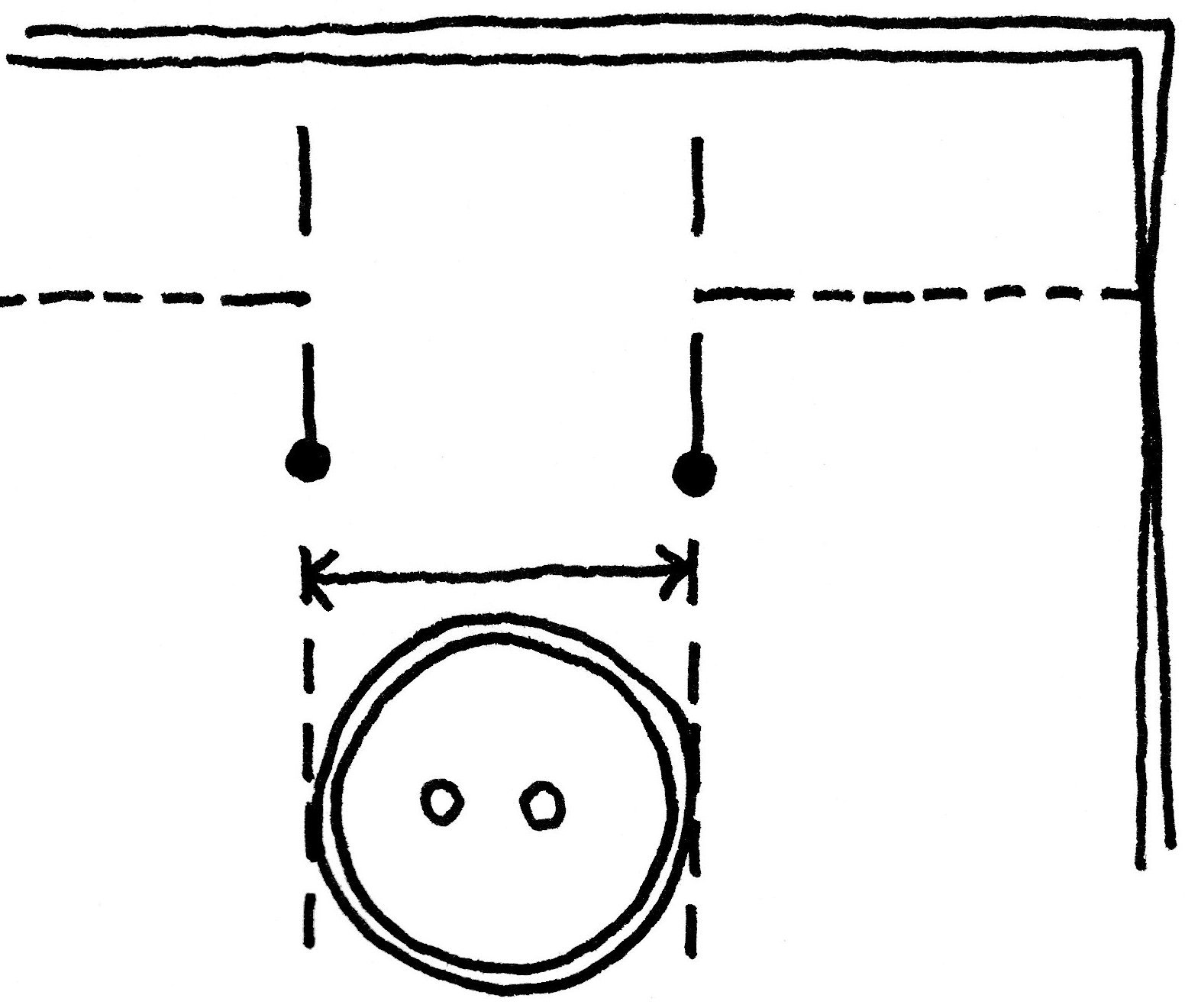
Sometimes, but not always, the area is stabilized with a patch of interfacing on each side of the seam. The Cotton Time jacket didn’t have interfacing as the fabric was so thick, but I would interface shirts or lighter fabrics.
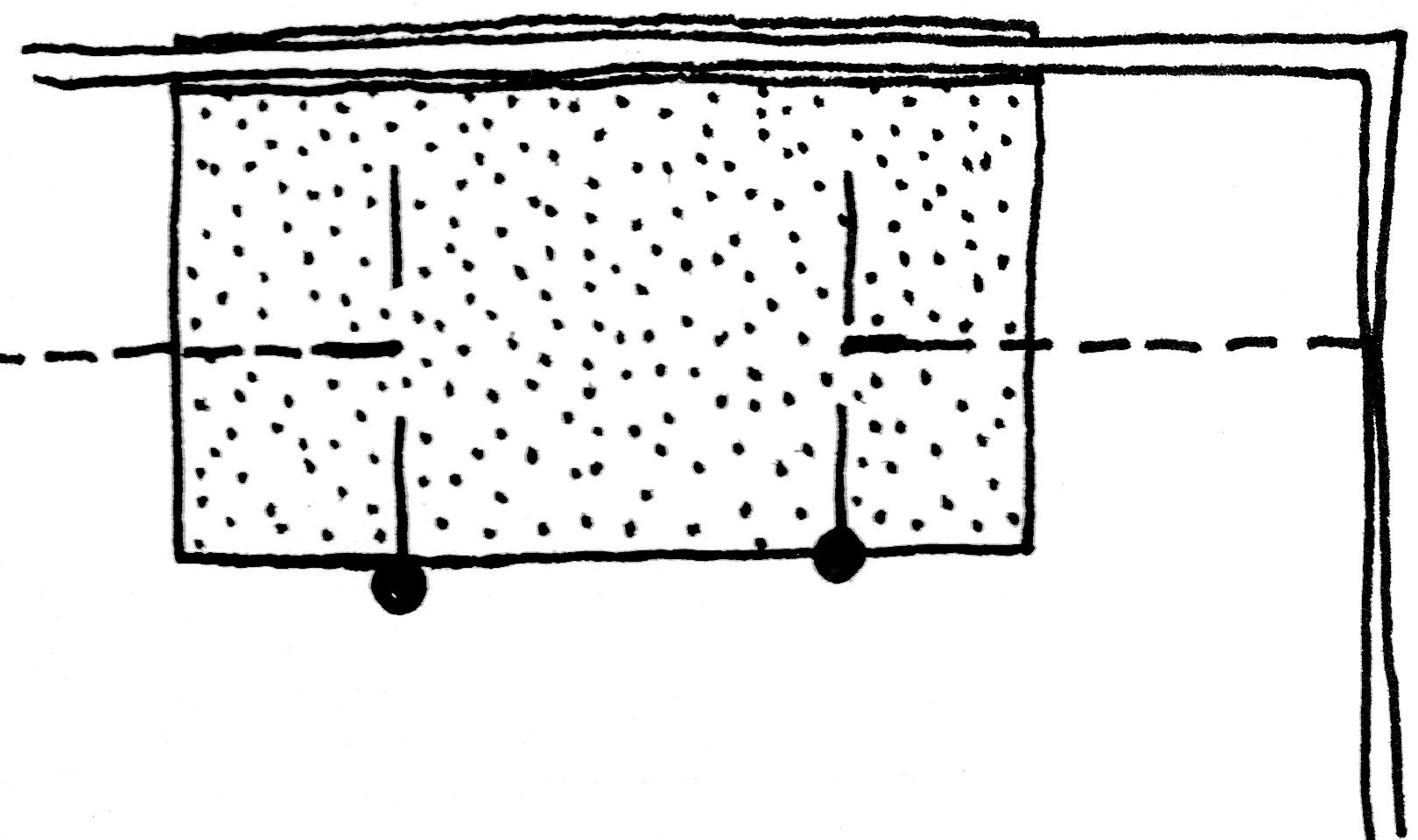
The seam is pressed open. Any facings have a slit in the same place and the two are stitched together.
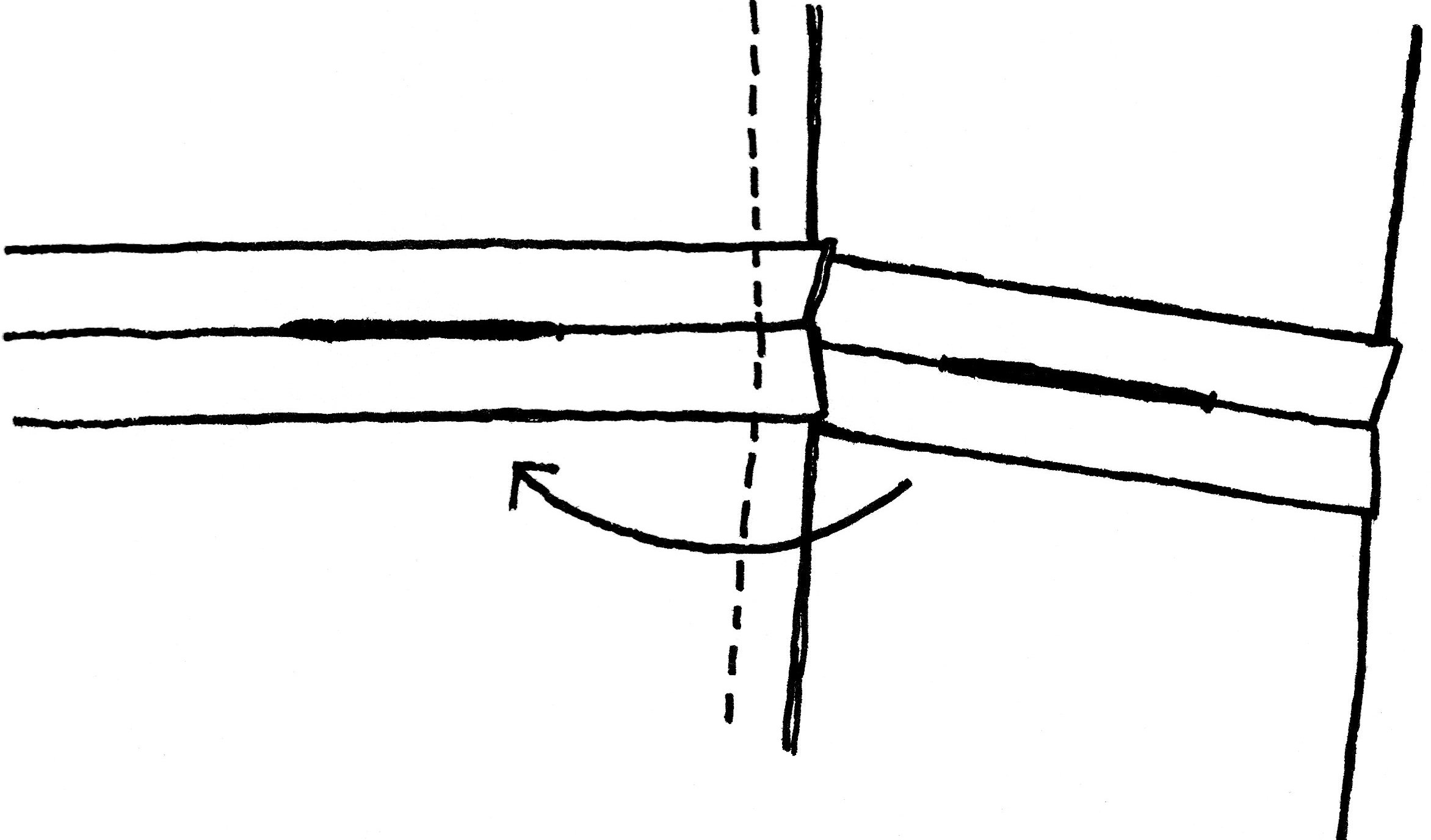
The Cotton Time jacket didn’t have a facing – the band was simply folded in half. The band had two buttonhole slits which lay on top of each other when the band was folded in place.
To keep the layers together, the edges of the buttonholes got invisibly handsewed together:
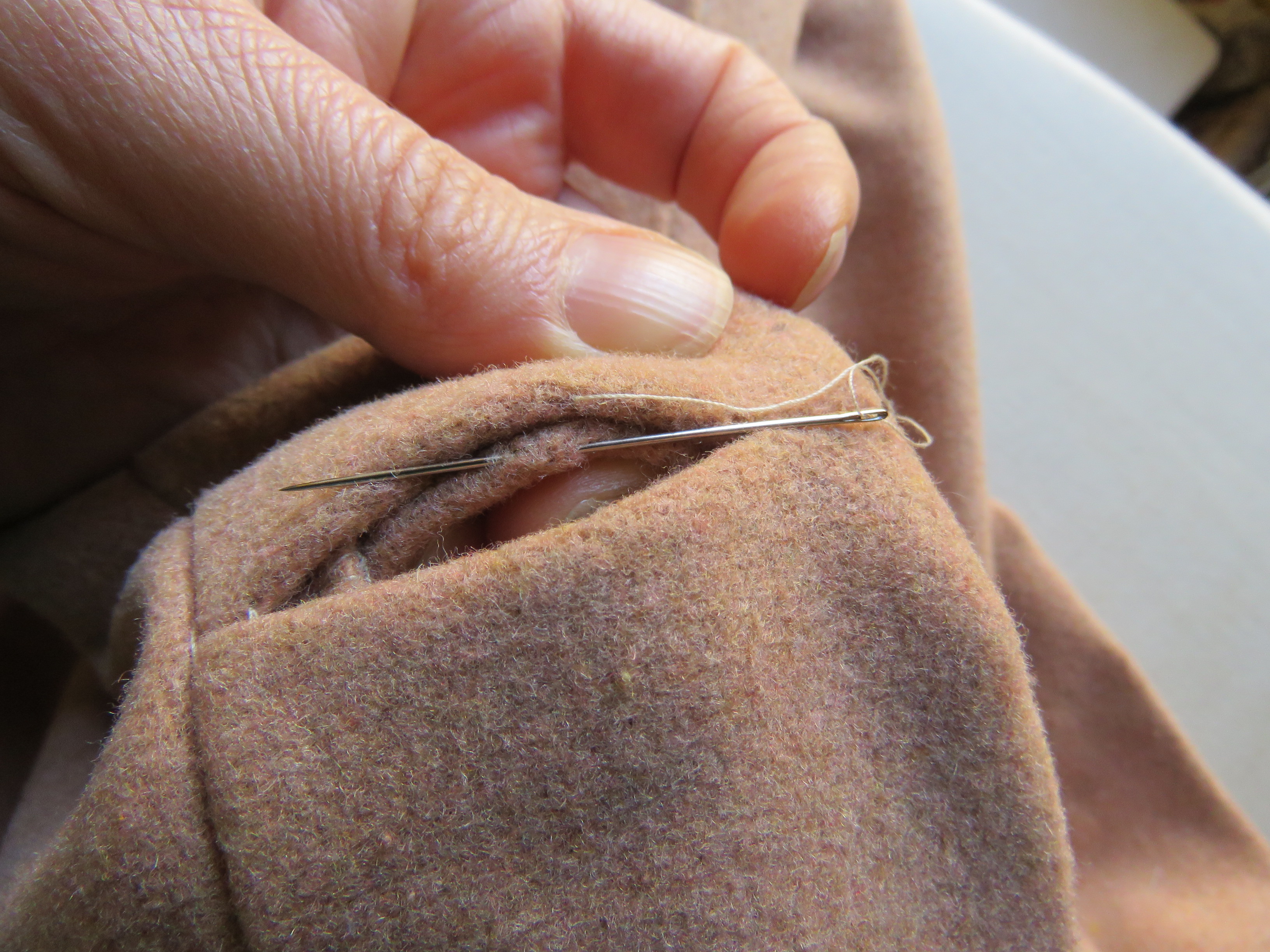
You can see in the above photo the seam allowance peeking through the buttonhole on the left. This got trimmed away in a V shape.
Alternatively, depending on the fabric, the slit buttonhole has topstitching to keep the layers together. Sometimes just the area around the buttonhole is topstitched, other times the entire seam is.
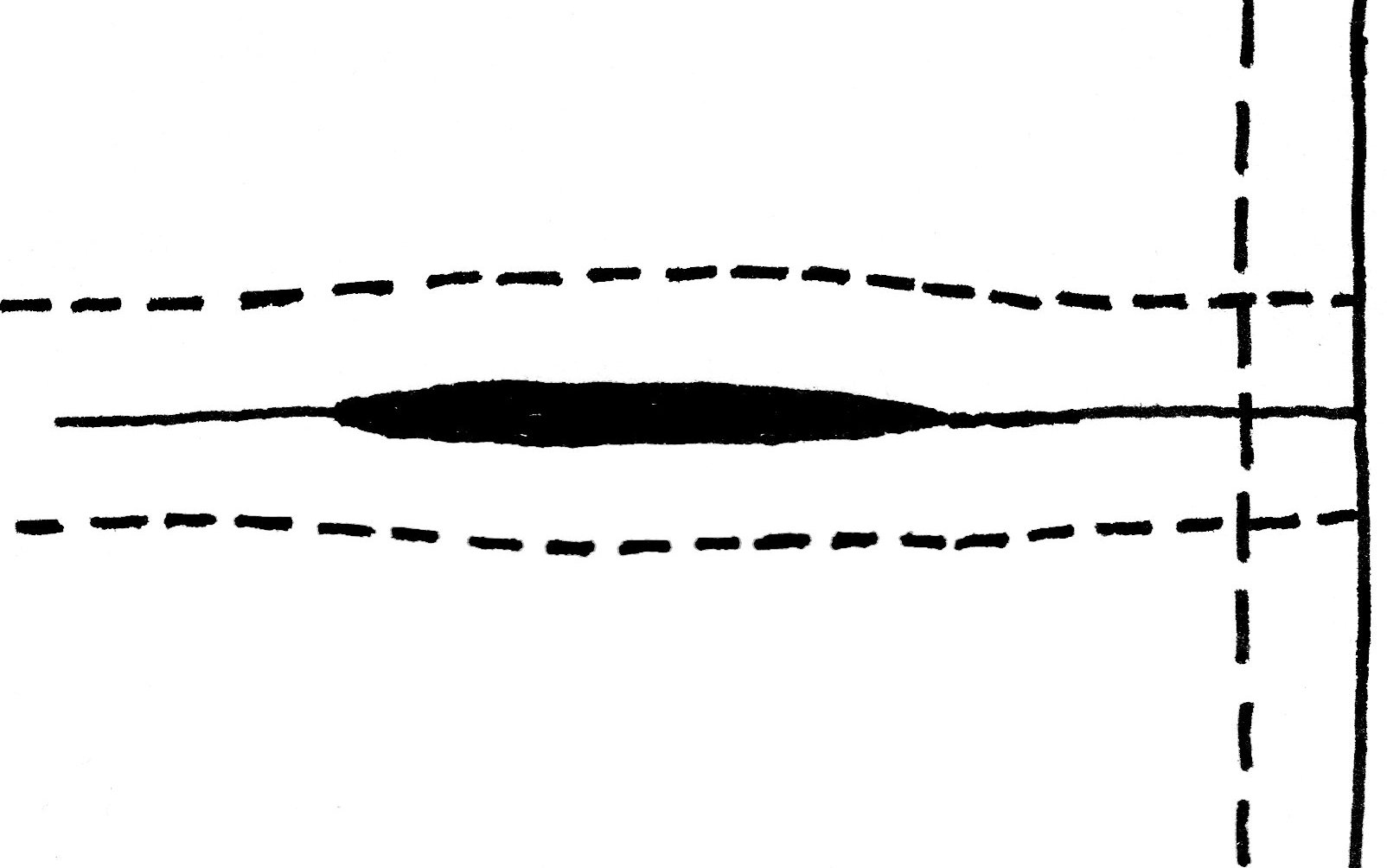
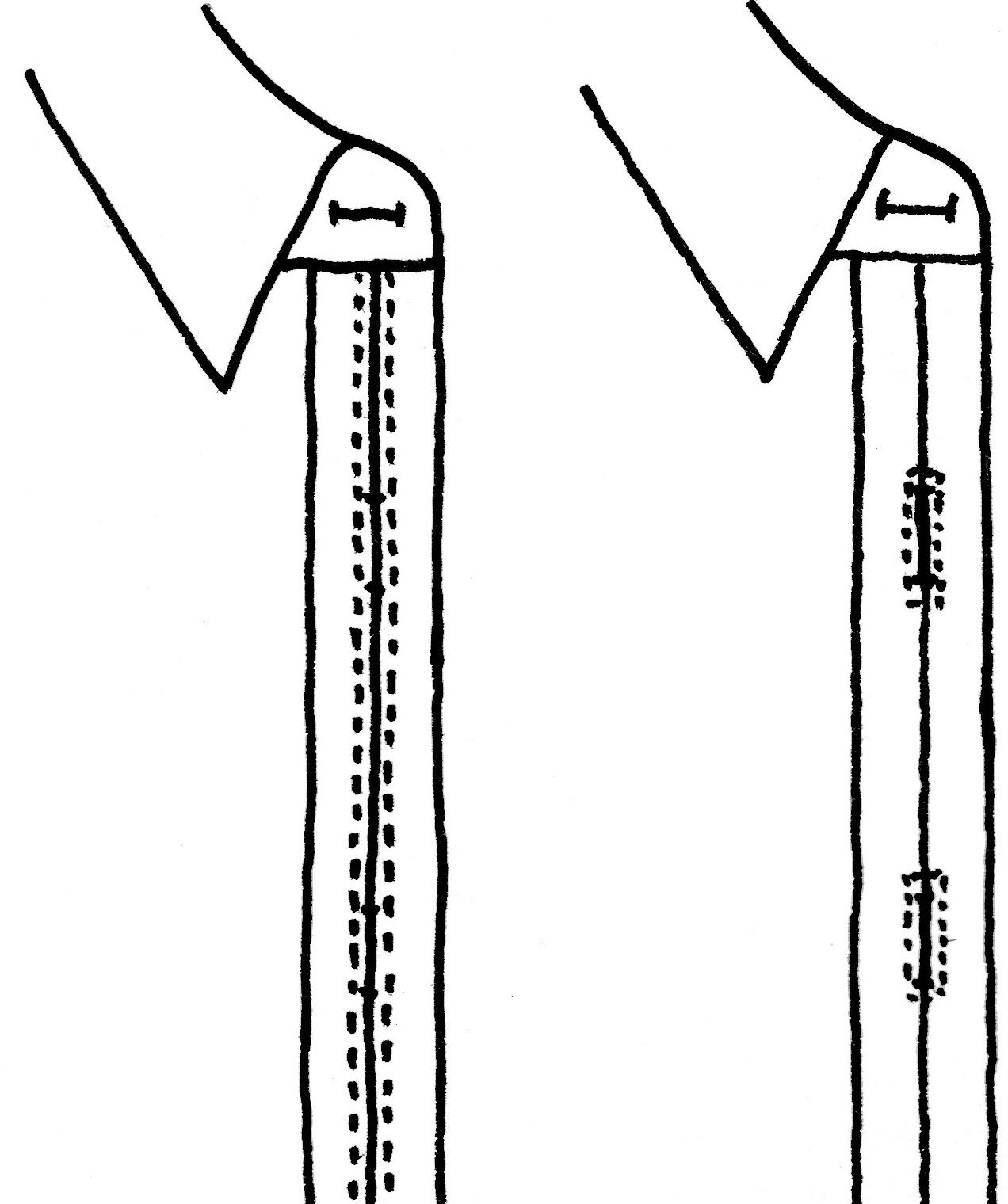
It’s OK to use slit and regular buttonholes together on the same garment. I used to own a RTW shirt with slit buttonholes. The cuffs and front band had topstitched slit buttonholes, but the top button on the collar stand was a regular one.
As the slit buttonhole creates slightly more bulk than a regular buttonhole (being four layers of fabric surrounding the slit), the buttons might need to be sewn on with a longer shank to clear the slit.
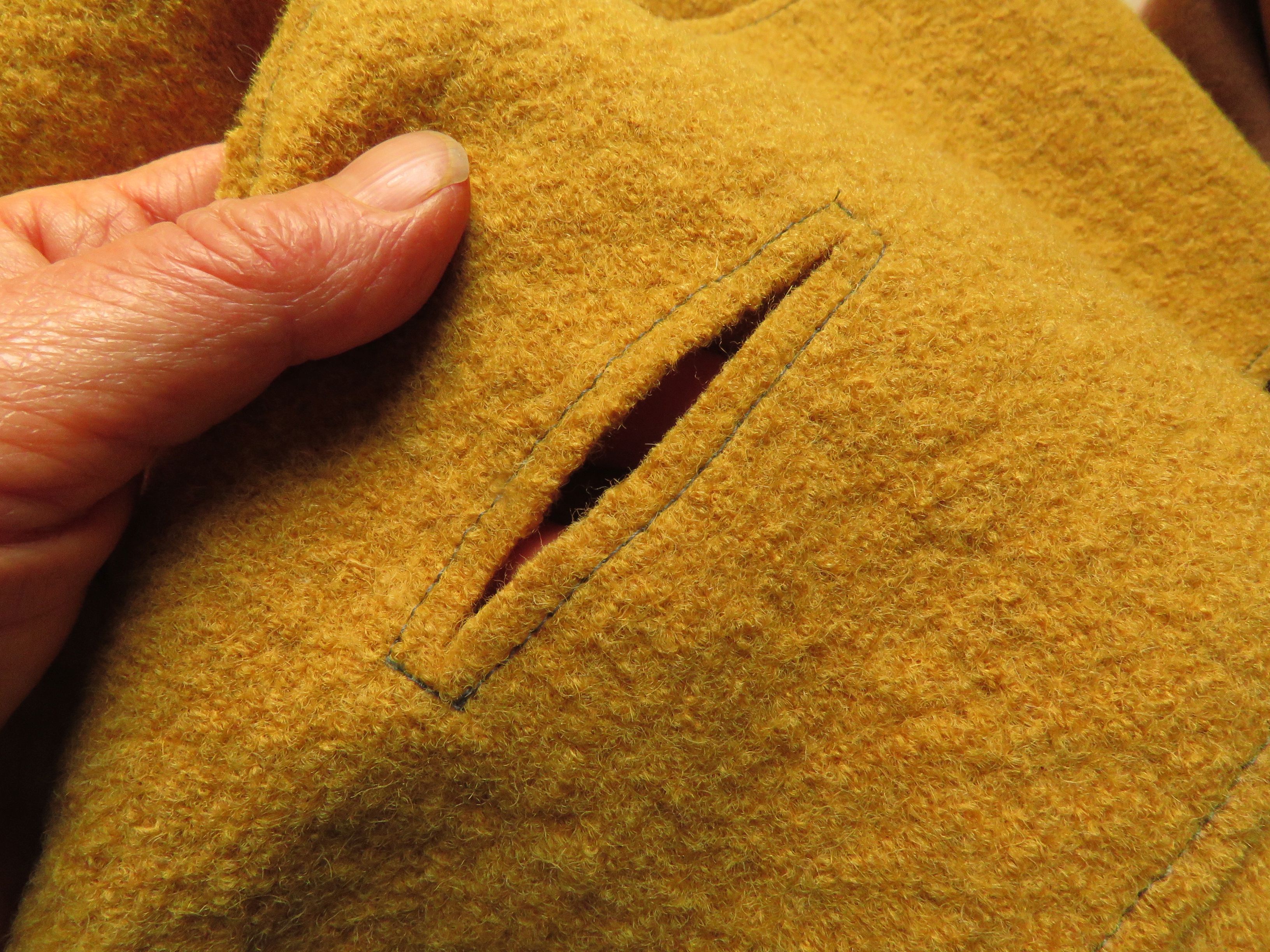
If you’re making something in boiled wool, then slit buttonholes are very easy indeed – just cut a slit.
PS – Are you considering slit buttonholes because you have hassles making regular ones? Take a look at my post: 3 Buttonhole Woes (and how to fix them).
Discover more from The Craft of Clothes
Subscribe to get the latest posts sent to your email.
Really interesting, I’ve never used this buttonhole method before, didn’t even know it was an option (although it makes perfect sense). I don’t really like the look of regular buttonholes, so will definitely try this out. Cheers!
Thanks for reading, Linda. I don’t think these are very common, as I hardly ever see them on garments.
I had an extra thought this morning: with a lot of planning, I reckon weavers could leave slits in weaving, in the right place for buttonholes.
I’ve been thinking of using them for ages – particularly for heavy coating weight fabric, which will not work with my buttonhole foot. That, or hand buttonholes – and sadly, my handsewing just isn’t good enough.
I think they’re a good solution provided they’re planned for. For coats, another option is to outsource the buttonholes to a place that does keyhole buttonholes. I recall there used to be a man in Adelaide who did these with his special machine, but a button shop might put you in touch with someone.
wow! I also hadnt realized this was a thing – thanks for an exciting introduction! ive never made a buttonhole besides using a sewing machine preset or similar, but ive repaired buttonholes on wool coats and think id feel comfortable making more. but its great to have options!
I love your drawing style – I was imagining trying to draw out something that was hard to put into words, and it expressed itself in my brain in your style of drawing. brains are wild!
Yes it’s a thing, and some say a very underrated one 🙂
I’m a big fan of diagrams. The drawings are lifted straight out of The Dressmaker’s Companion, and my drawing style has improved a lot since then. Thanks for your kind words.