Making Fabric from Leaves
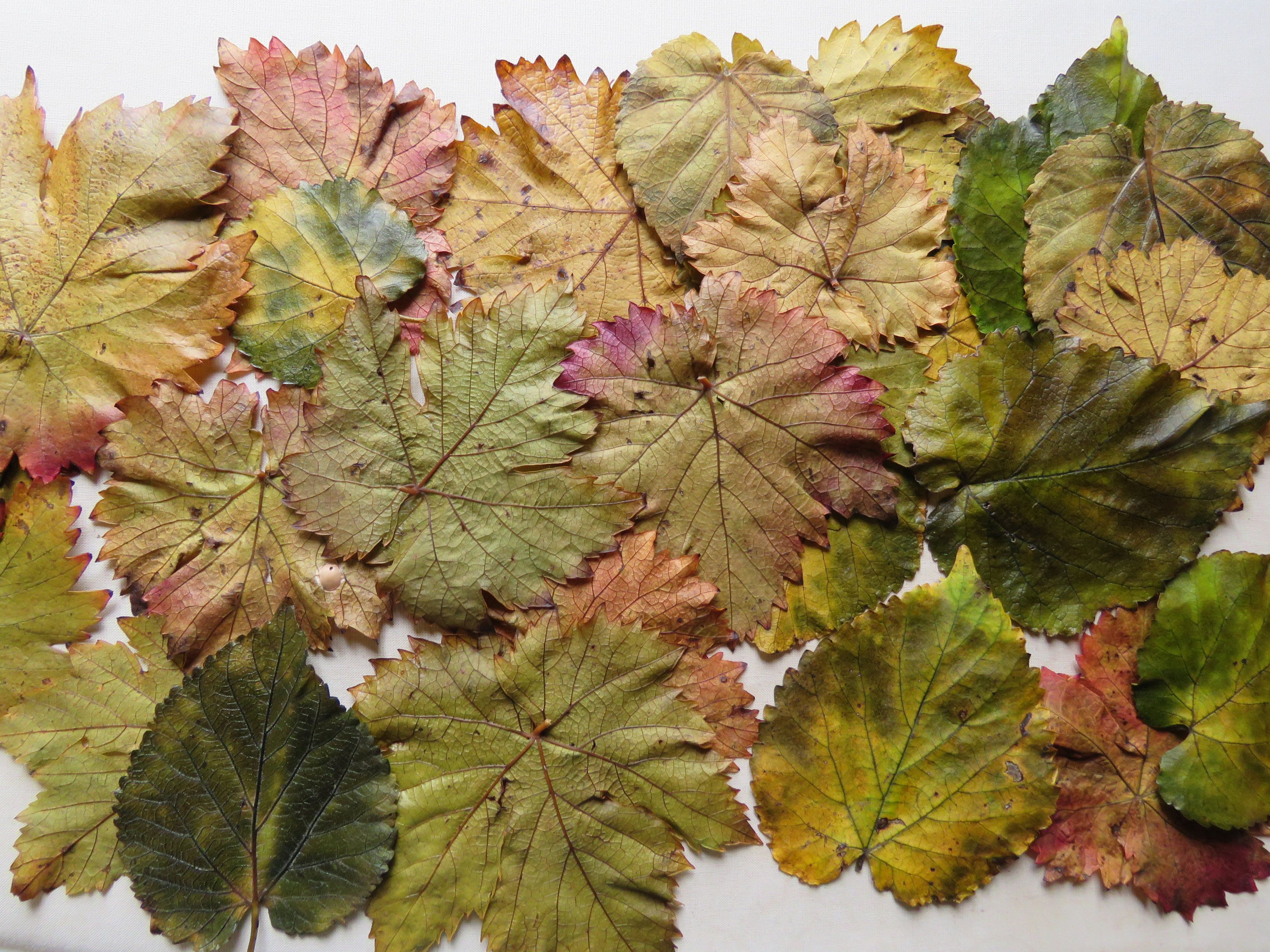
Making fabric from leaves is something I’ve never tried….until now! My teen saw the idea online and wanted to try it together.
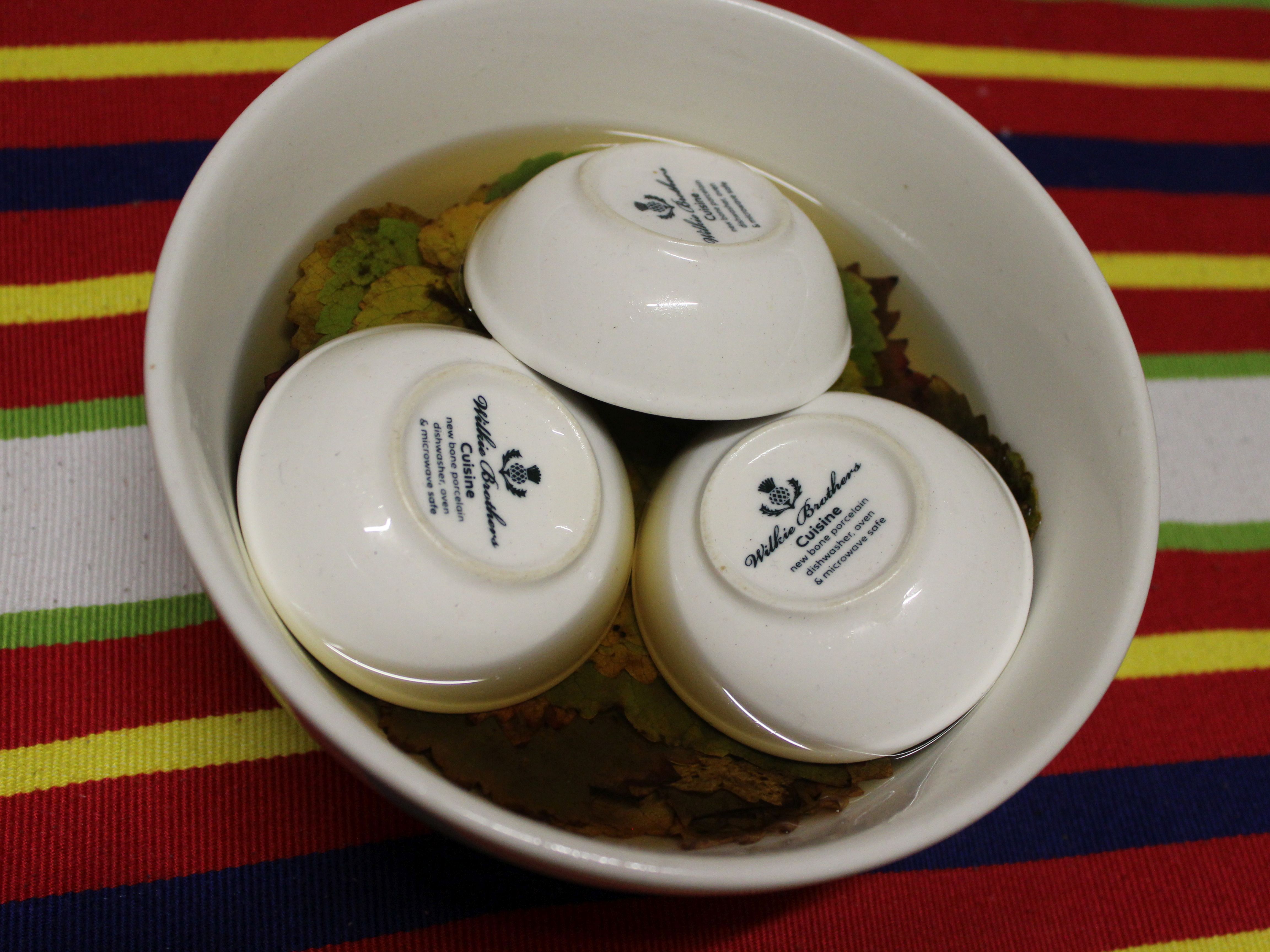
Briefly, you soak leaves in a 2:1 water:glycerine solution for five days, then dry them. The now-pliable leaves are glued onto a backing fabric, stitched in place, with another layer of glue brushed over the top.
Luckily, the last autumnal leaves were still on the branches, so I collected vine and mulberry leaves and we happened to have glycerine in the cupboard.
We soaked them in the glycerine/water solution, with little bowls on top to hold them under.
After five days, we laid them out on a towel to dry overnight, with another towel over the top. We tested one by crumpling it up and it didn’t break.
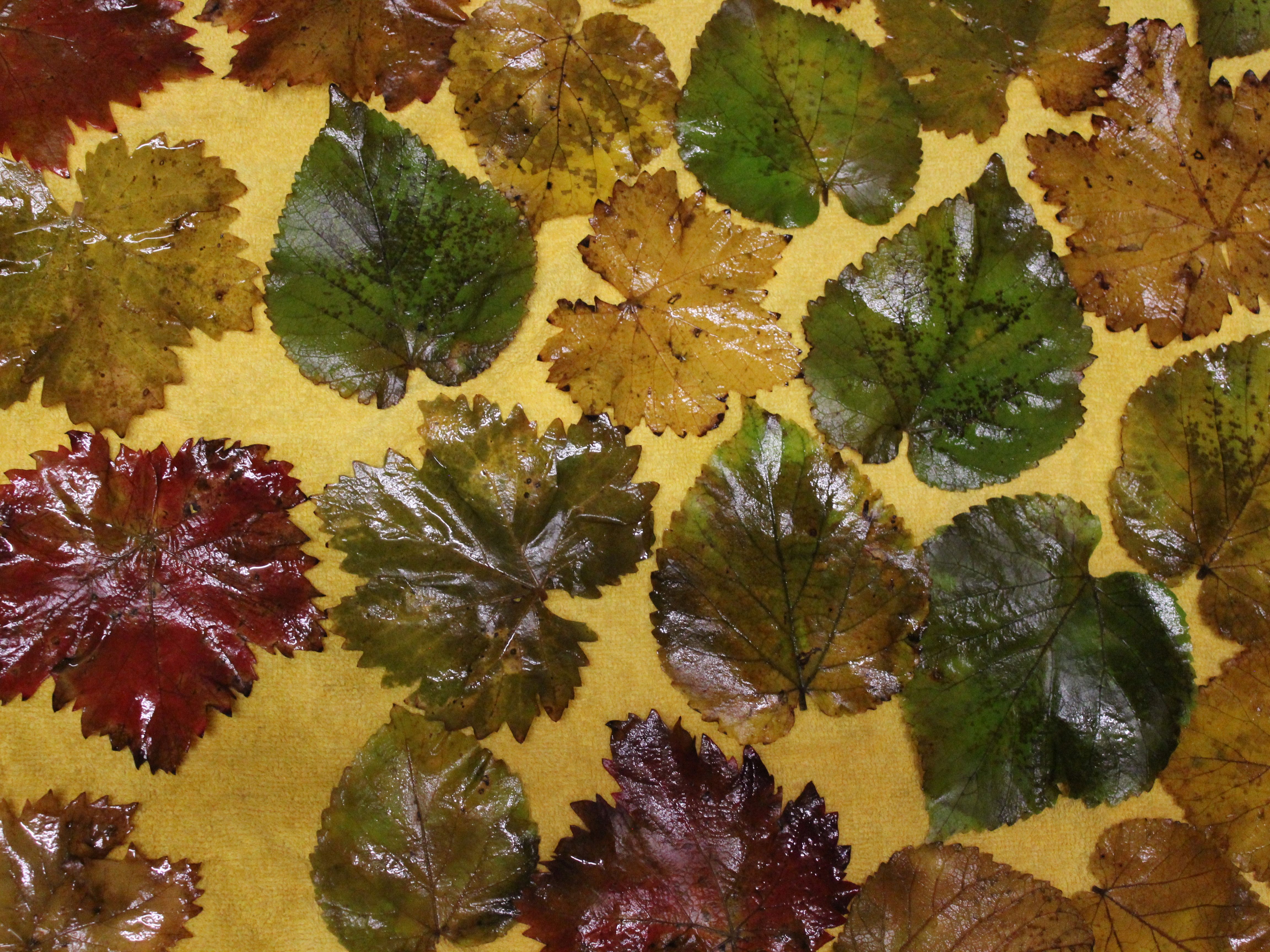
Alas, the colours faded somewhat when they were dry. The reds turned orangey-yellow.
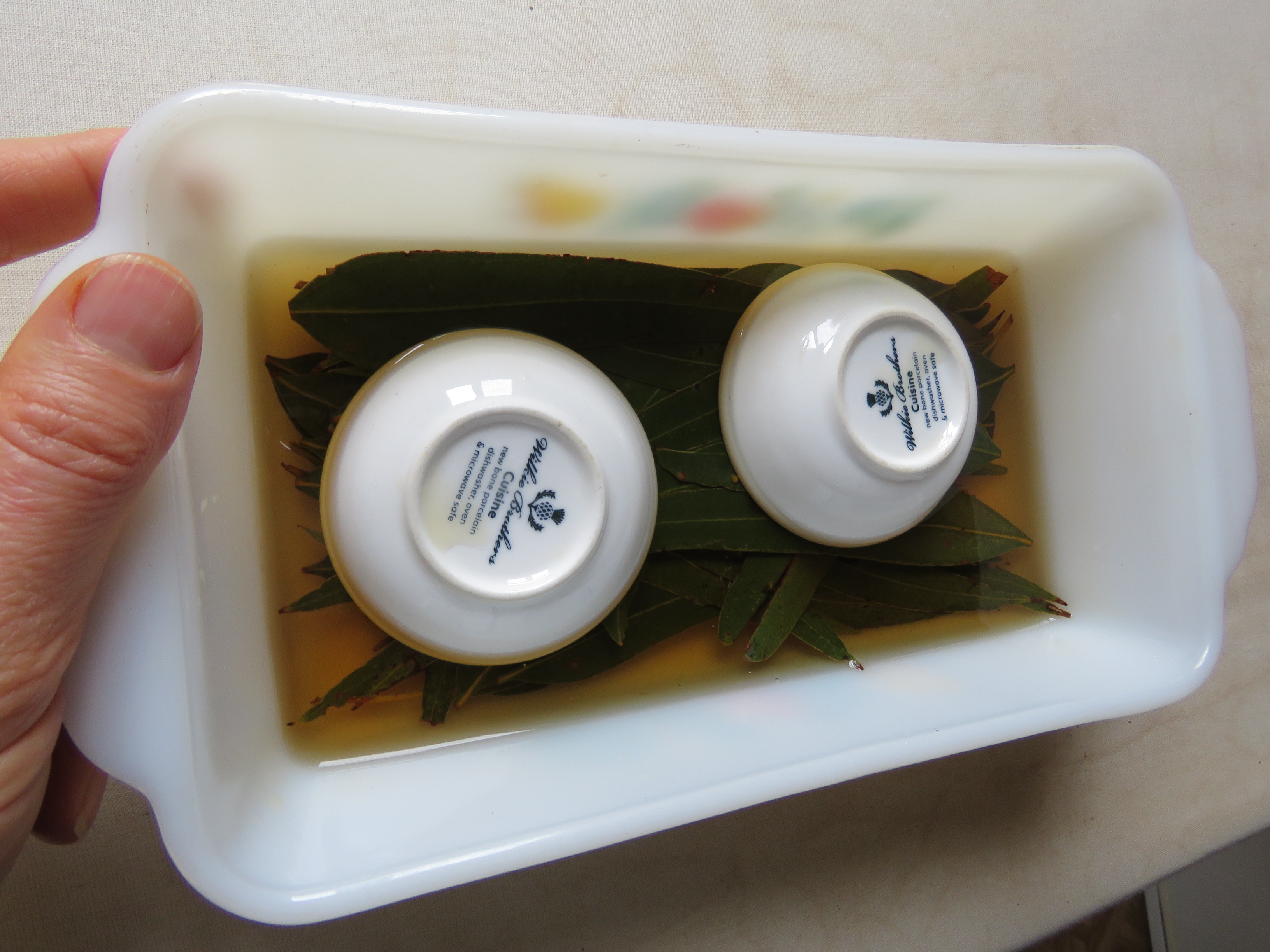
Before we threw out the glycerine solution, I picked some gum leaves and we soaked those too.
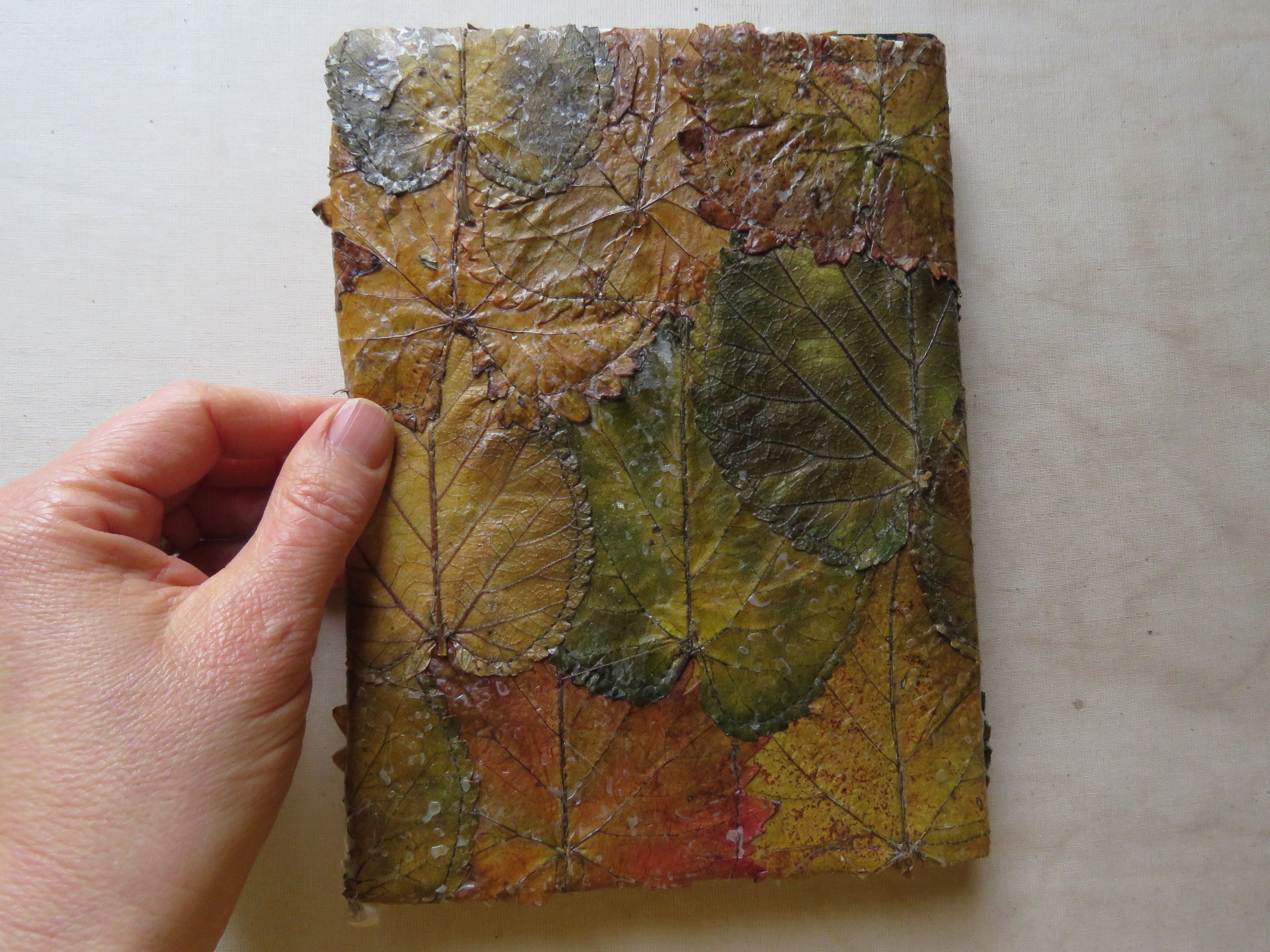
Teen was planning to use the leaf fabric to bind a book. Apparently the fabric lasts about two years, but some people reported it lasting much longer. I suggested that instead of book binding, we make a book slip cover, so that it’s replaceable when the leaves eventually crumble away.
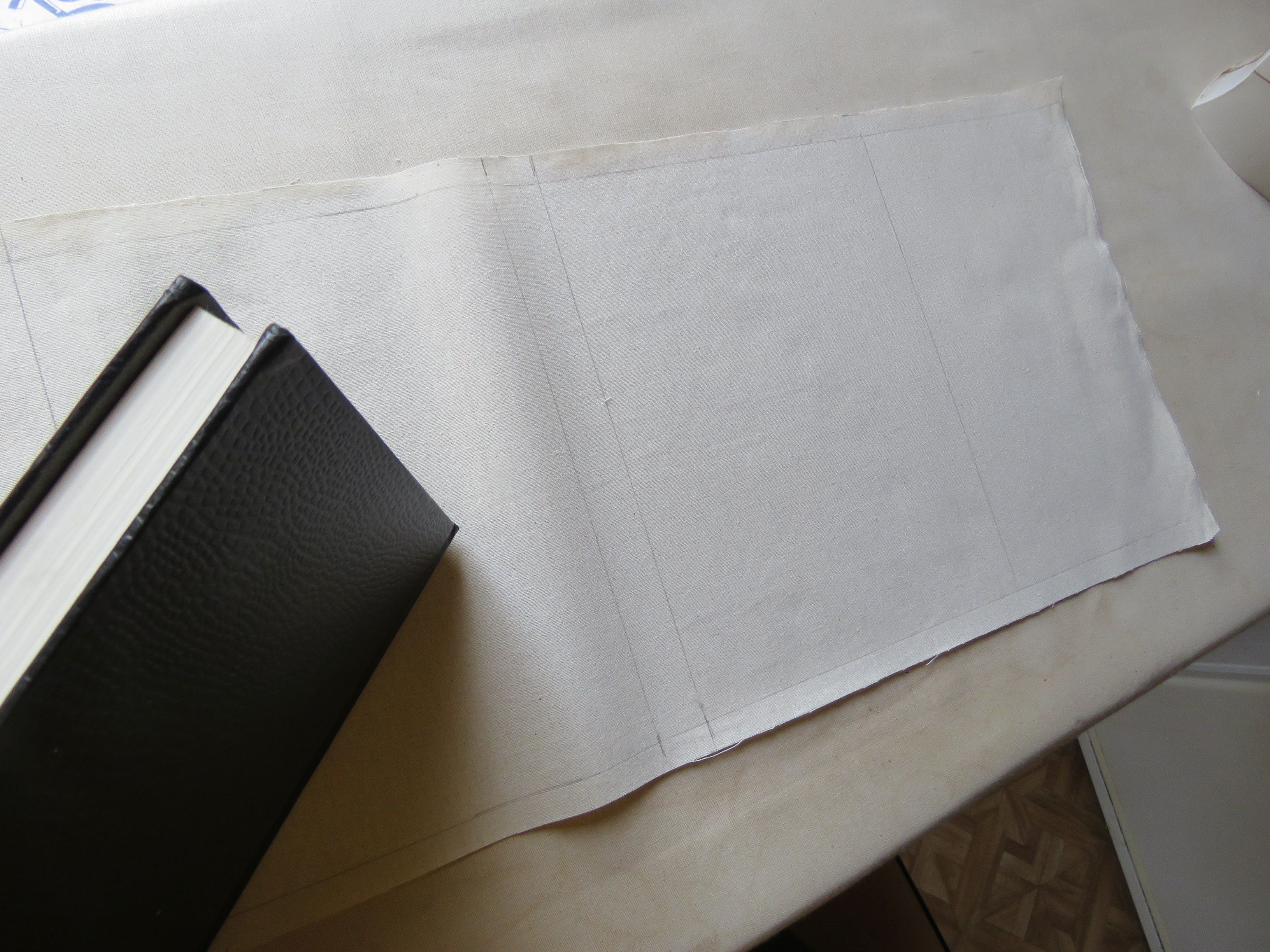
I found an empty A5 journal, and some calico for the slip cover.
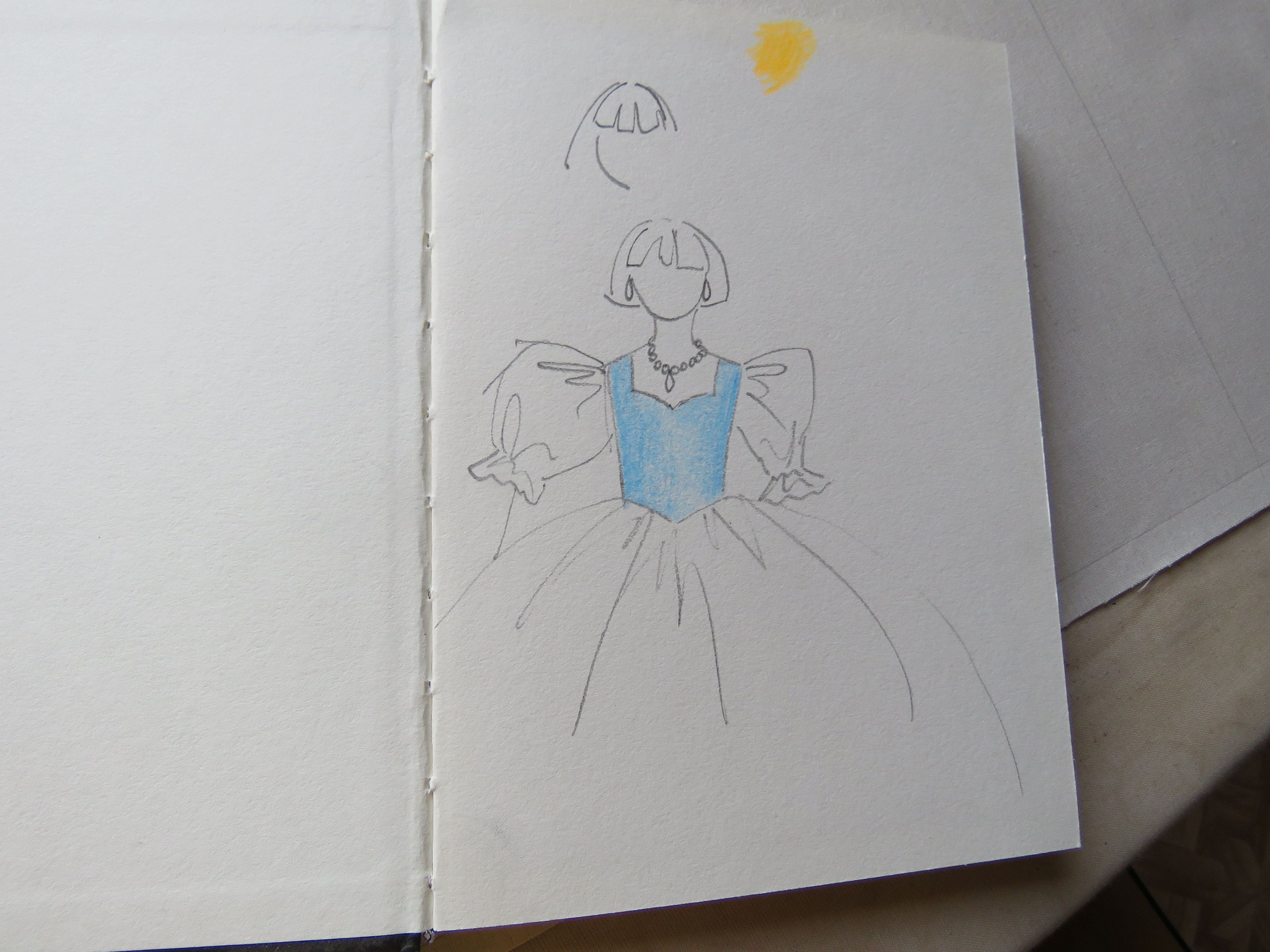
I thought the journal was blank, but my teens flipped through it and found a fairy princess drawing I’d done for them when they were little!
Although this was Teen’s project, she was too unwell (long covid) to do the gluing and stitching, so I did it, and she took a supervisory role. I spent a happy time perched on a stool gluing down leaves.
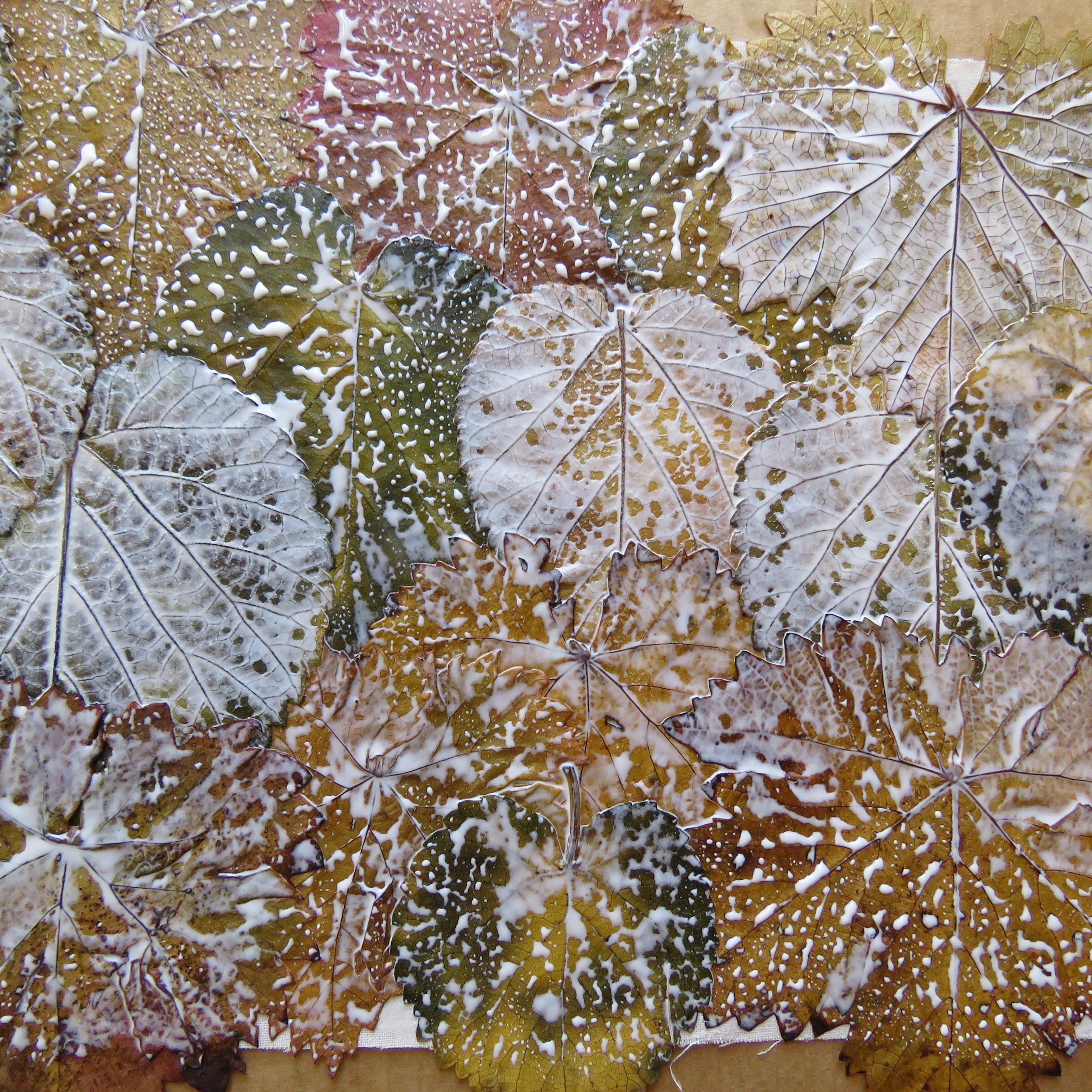
There weren’t enough of one type of leaf to cover the calico, so we did a mixed arrangement.
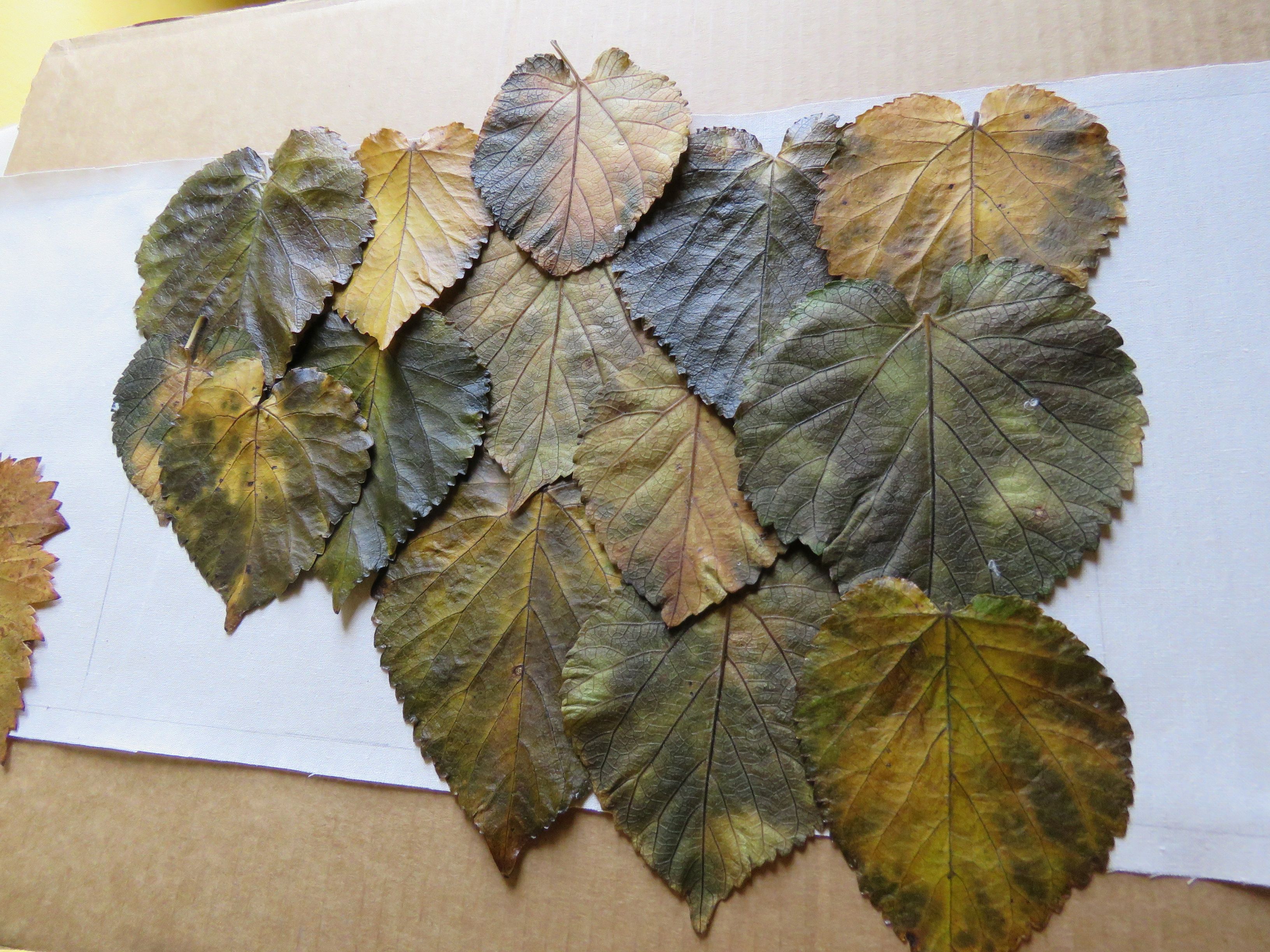
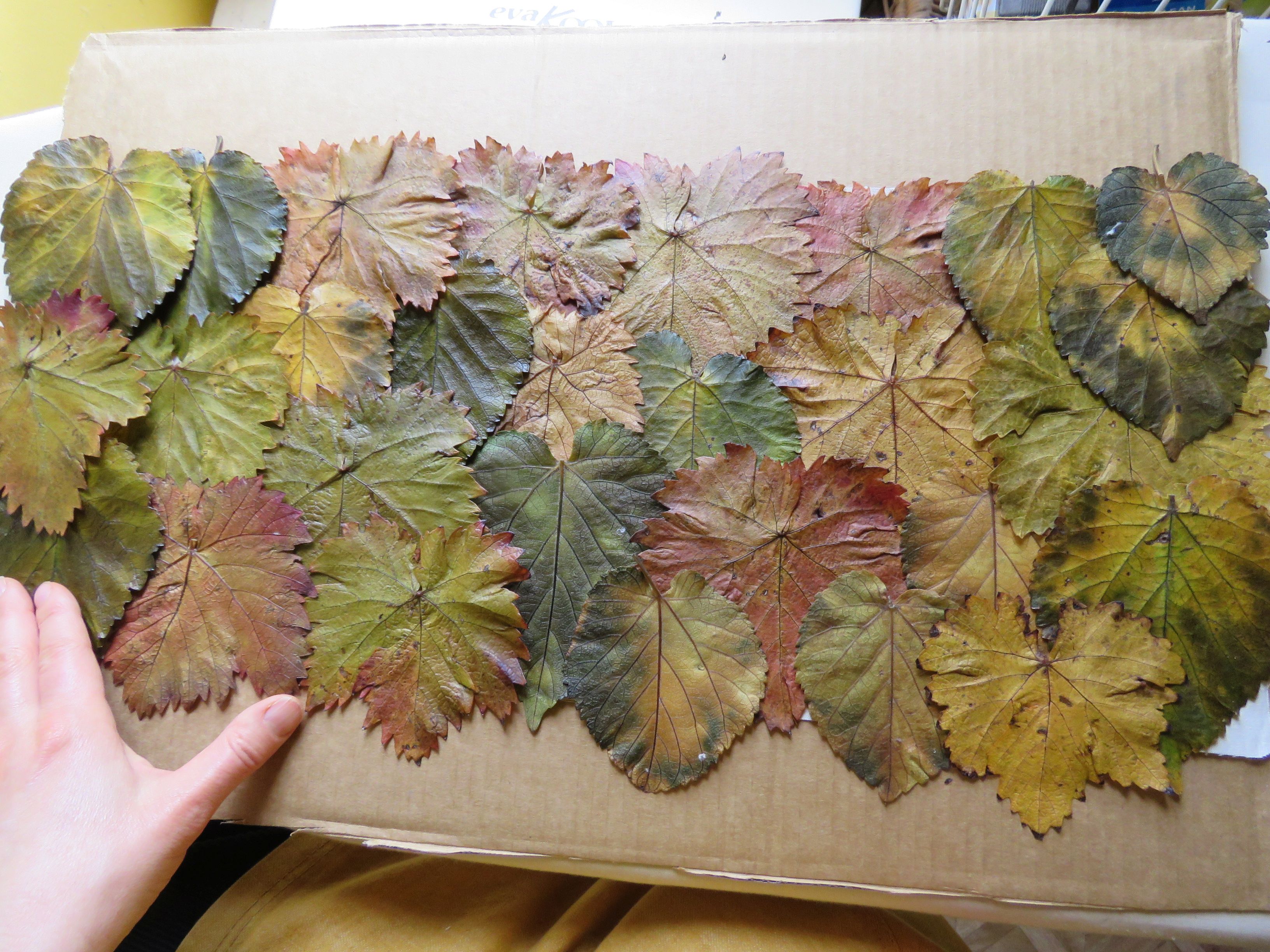
For glue, I found some white woodwork glue.
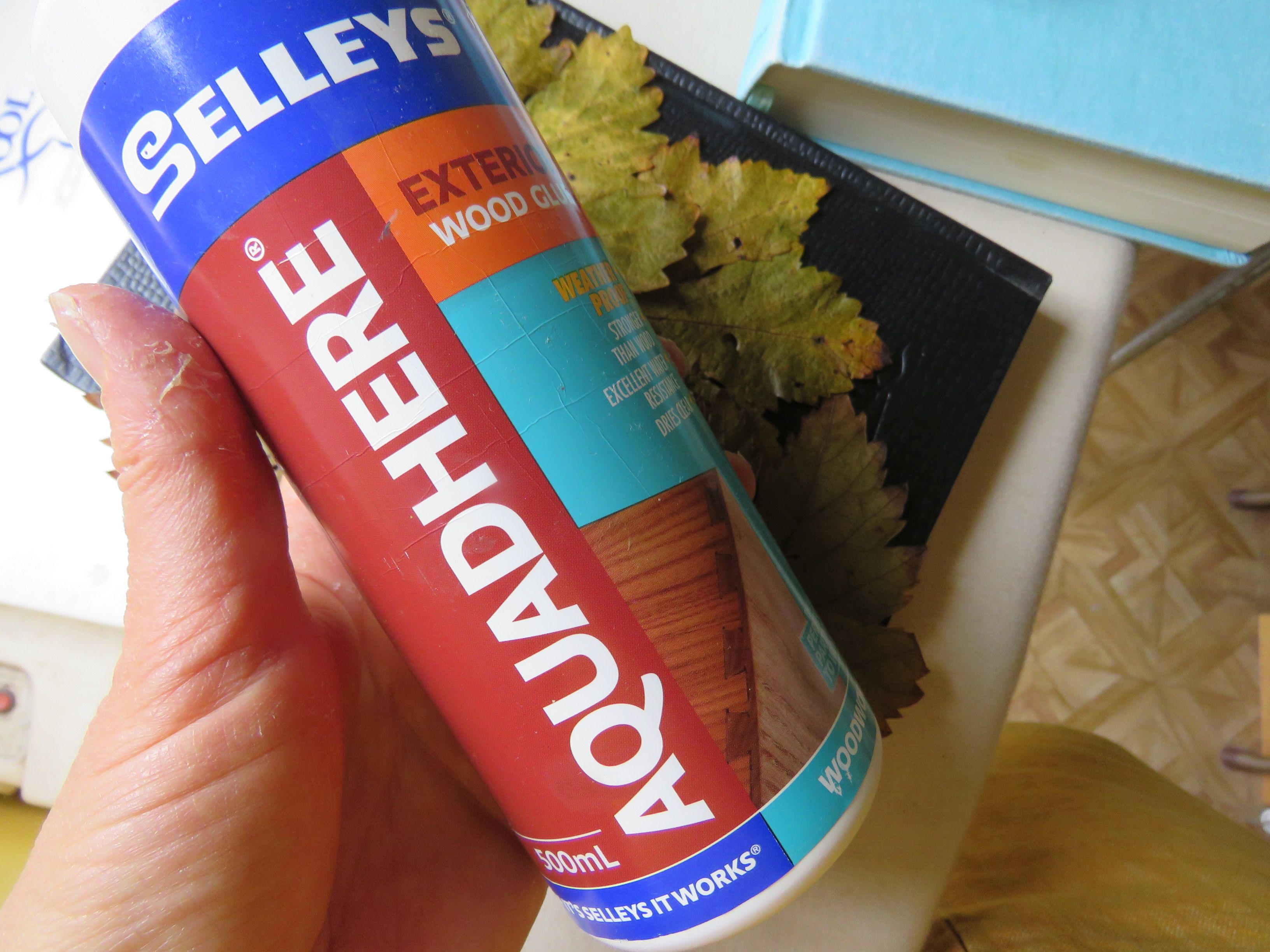
Afterwards, I spent a therapeutic time peeling dried glue off my fingers. It felt very nostalgic – haven’t done that since primary school.
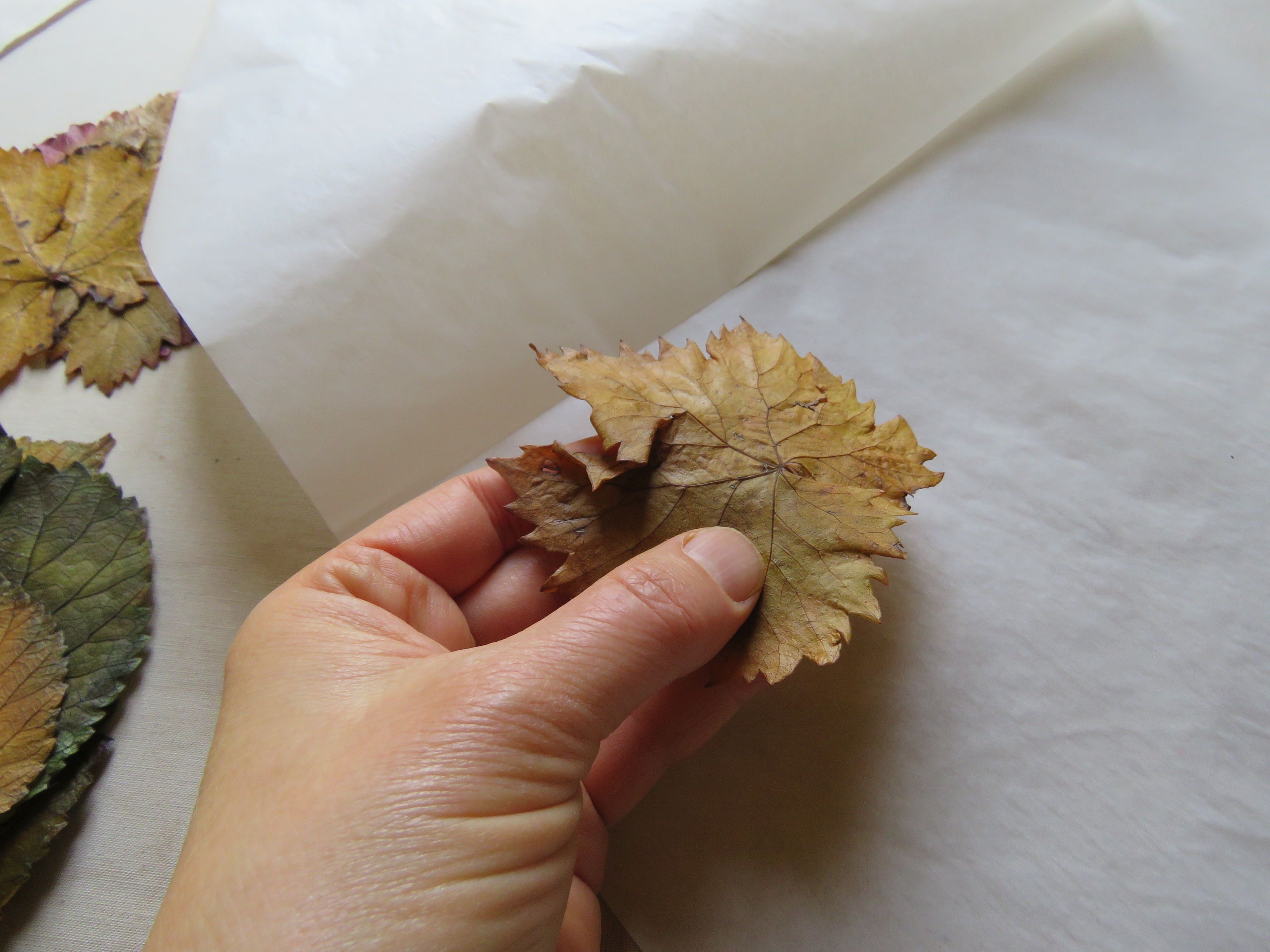
Not all of the leaves were flat, in fact most weren’t; they were wavy. I ironed them beforehand but you can’t really iron something flat that’s inherently wavy. After gluing them down, they didn’t want to sit flat, but an overnight session with heavy fashion books on top tamed them into submission (I put baking paper between the leaves and fashion books).
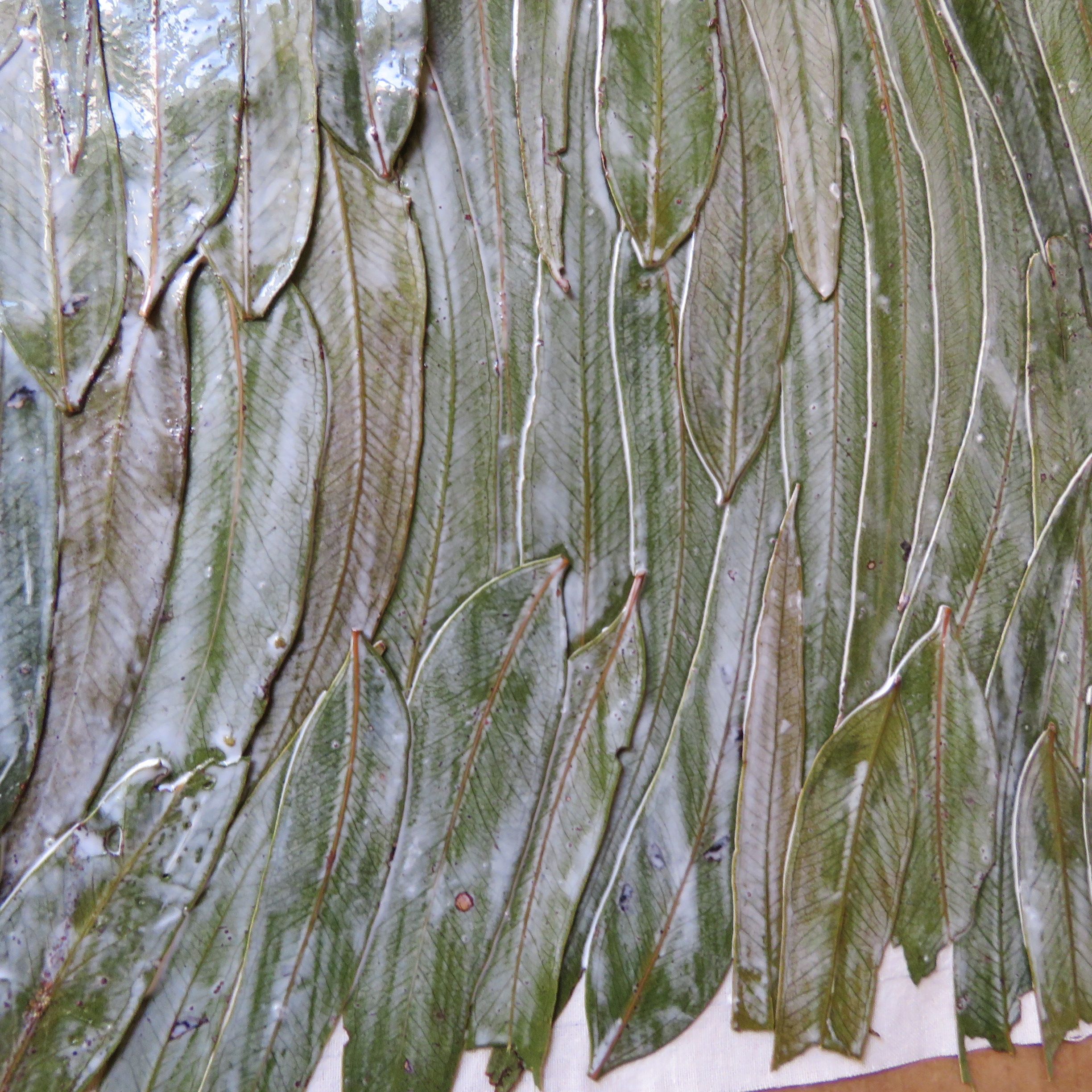
Then the leaves got another layer of glue over the top. It looked alarmingly white, but dried clear by the next day. Interestingly, the glue beaded on the vine/mulberry leaves, but not the gum leaves.
Then I threaded up my trusty sewing machine with brown thread, and stitched the leaves onto the calico. I sewed around the edge of each leaf, and then through the centre vein.
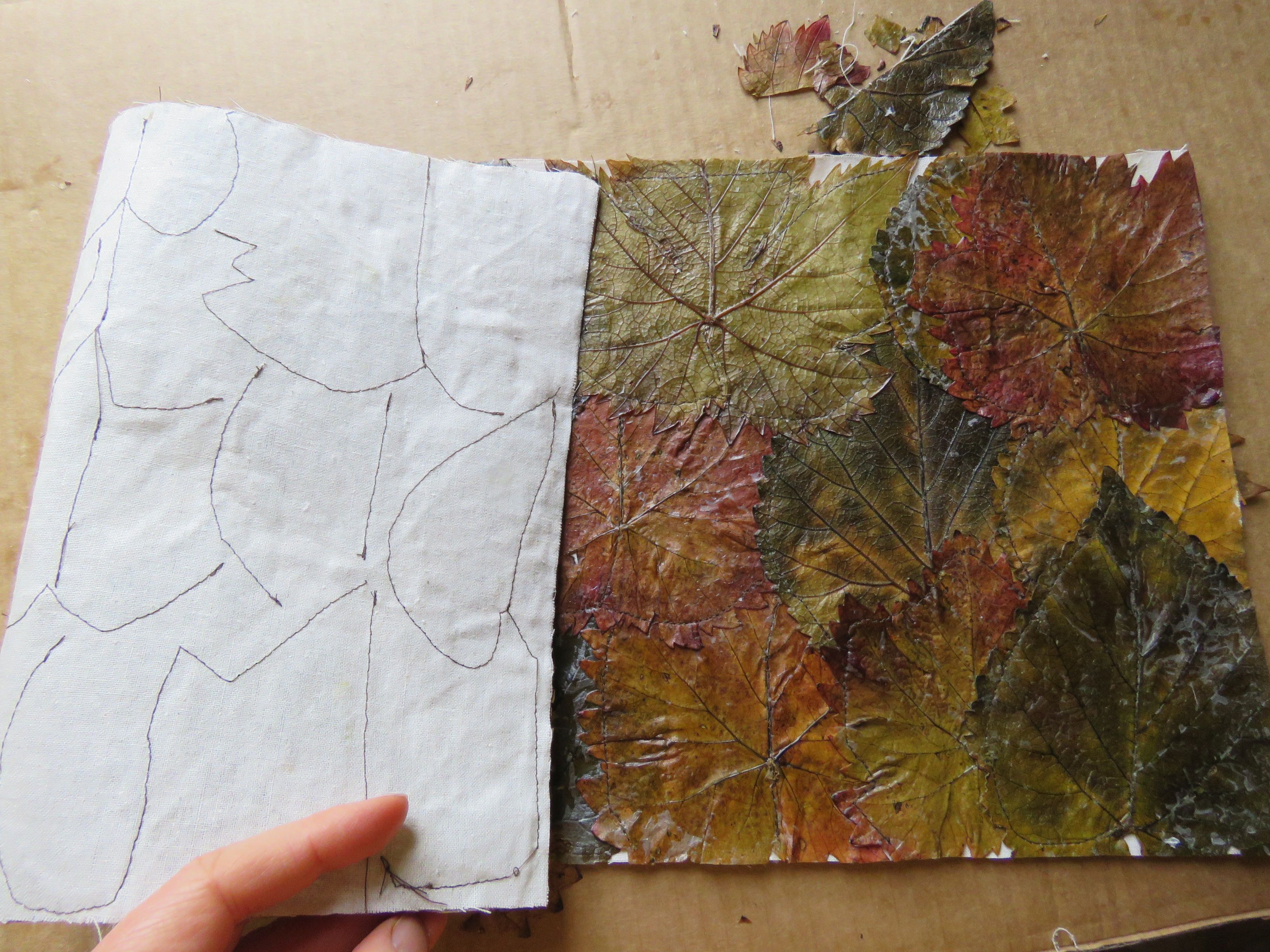
The lady in the original YouTube video my Teen watched stitched hers in a regular grid. Also, she cut her leaves up into neat squares first, like a patchwork quilt, but we liked the pretty edges of the leaves so we left them.
You absolutely couldn’t skip the stitching part – the glue is not enough to hold the leaves.
The leaves give off a wonderful smell when they’re stitched! Like mulberries, mmm….
To make the slip cover, I simply sewed each end back on itself and turned it through, to make a pocket on each end.
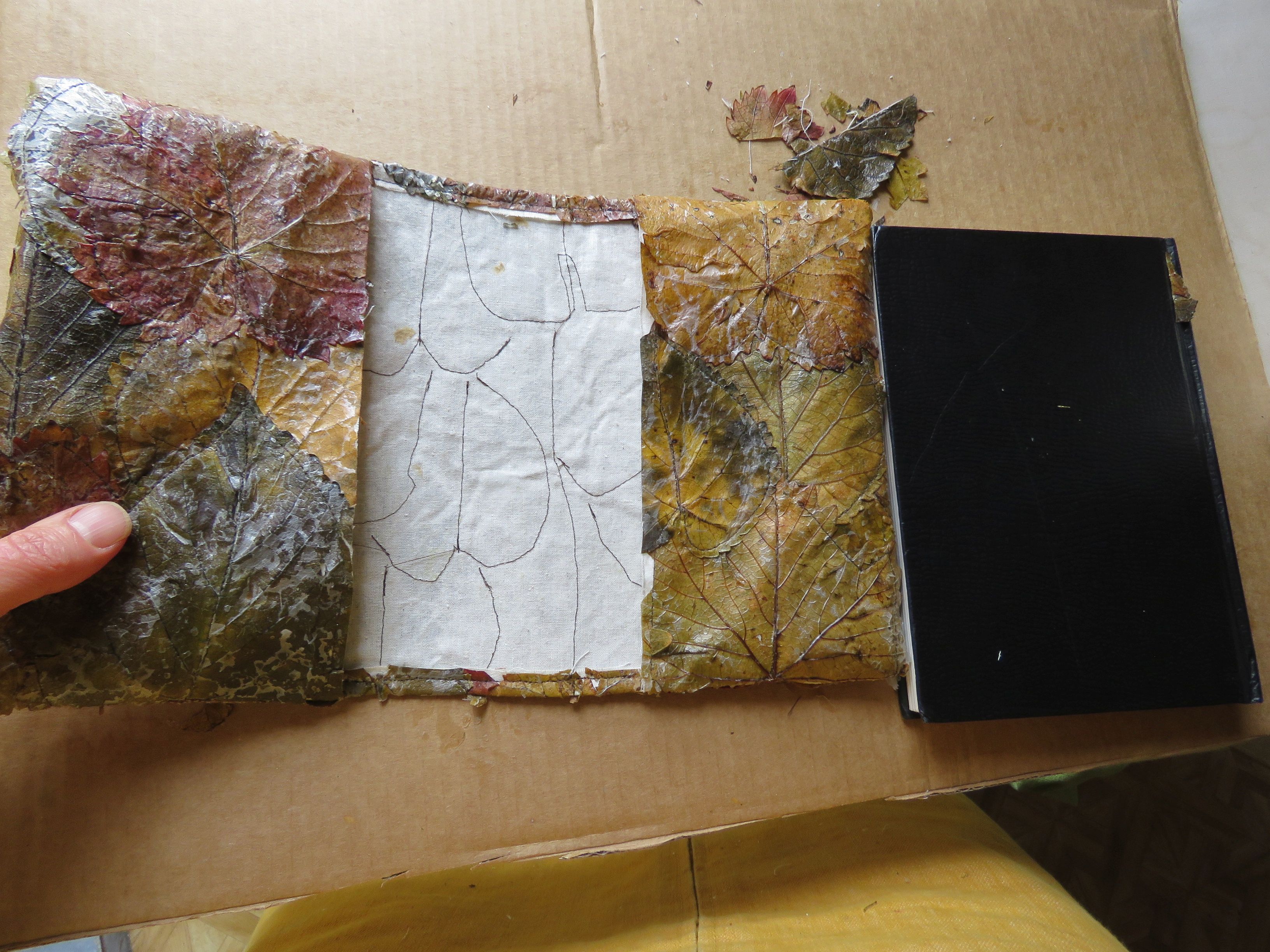
There were some “de-lamination issues”.
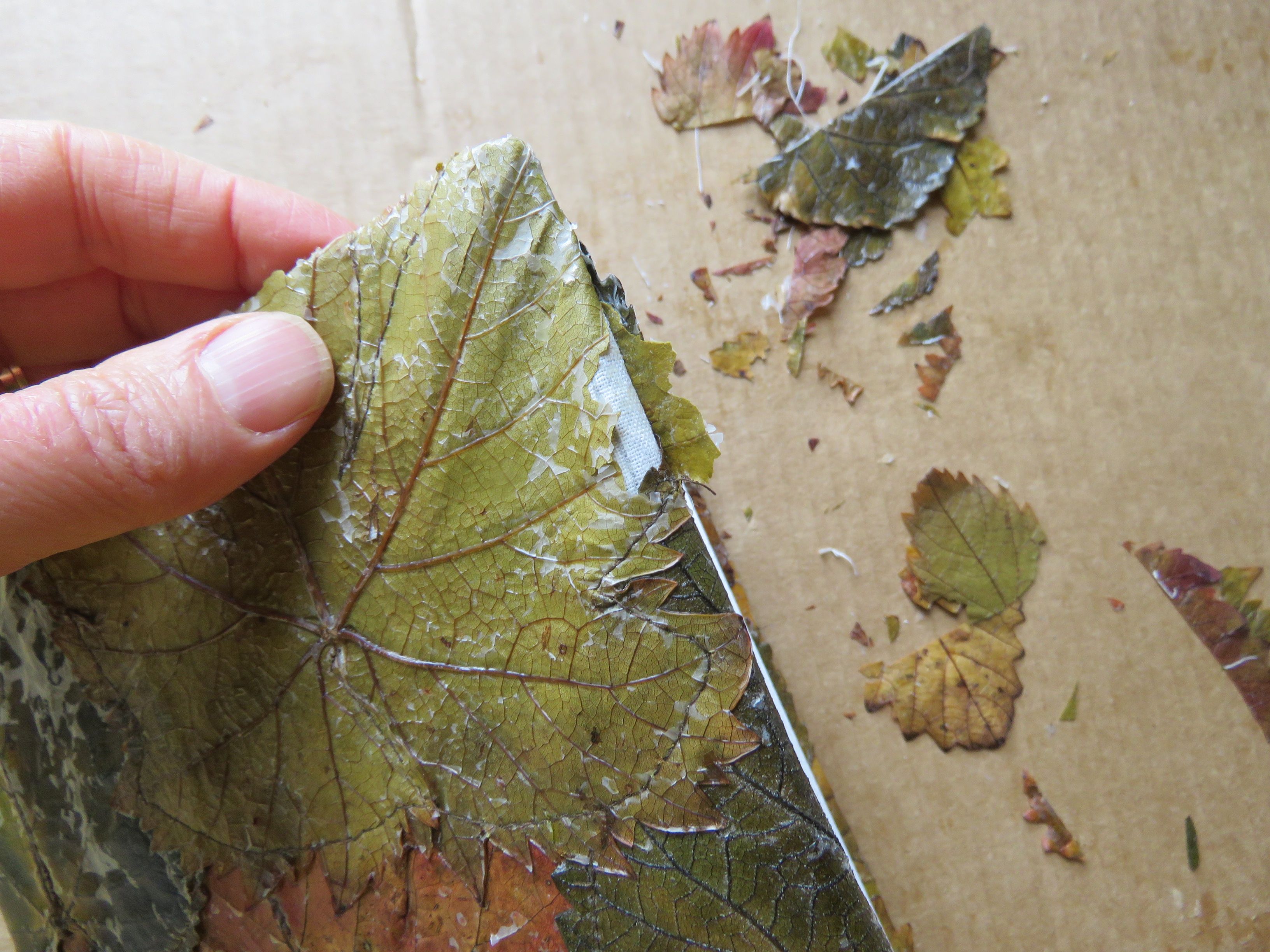
The glue also de-laminated in parts too, and went white although it didn’t flake off.
The YouTube lady didn’t have folds at the edges of her book – hers were cut flush with the edge, with a border of stitching.
The leaf fabric feels sort of leathery and nice.
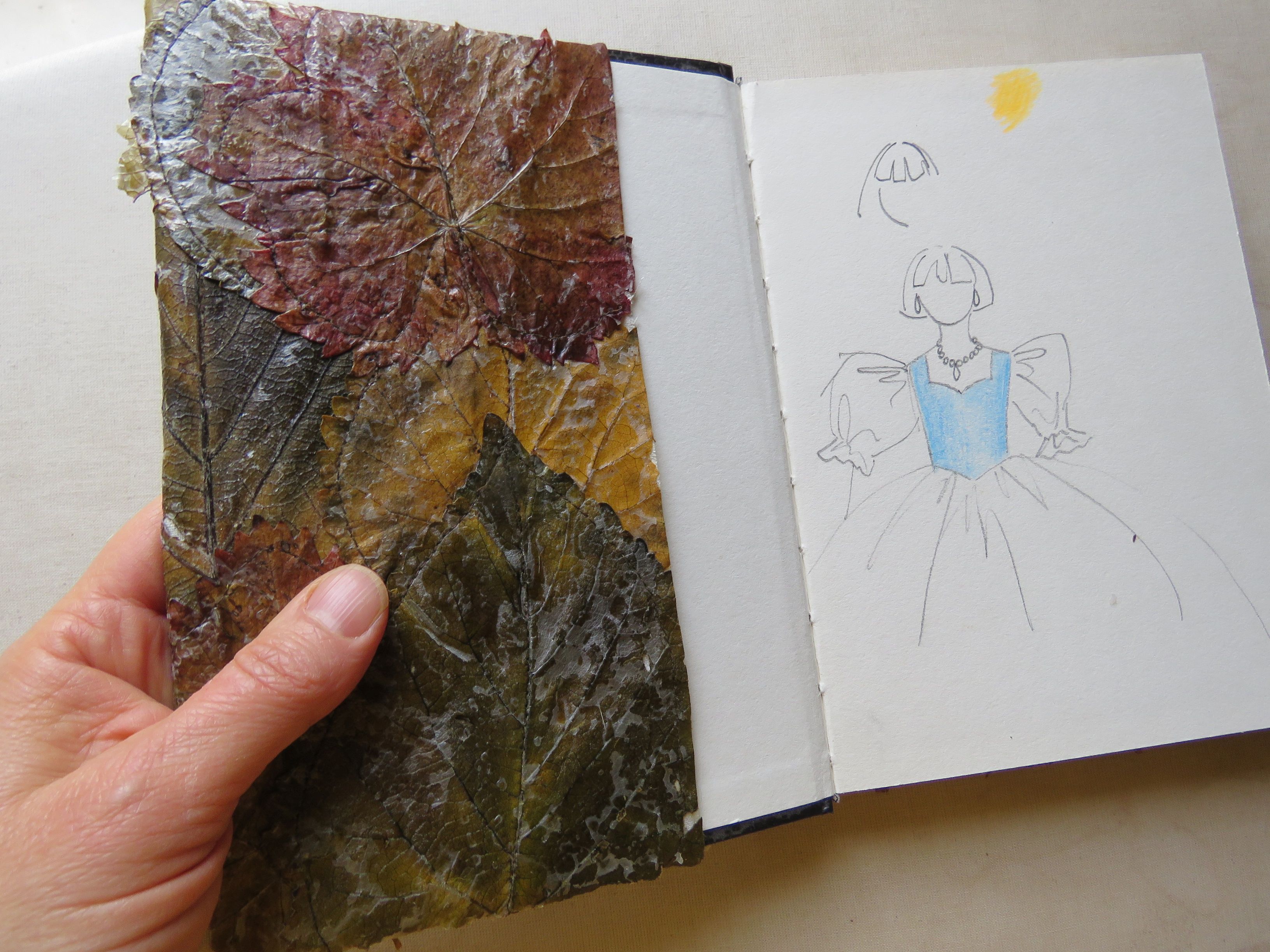
We think the book looks very Middle Earth!
The gum leaves got stitched but at this stage they’re still a flat piece of fabric. I zig zagged them onto the calico with the same brown thread. It smelt gloriously eucalyptus/lemon/earthy as I was stitching.
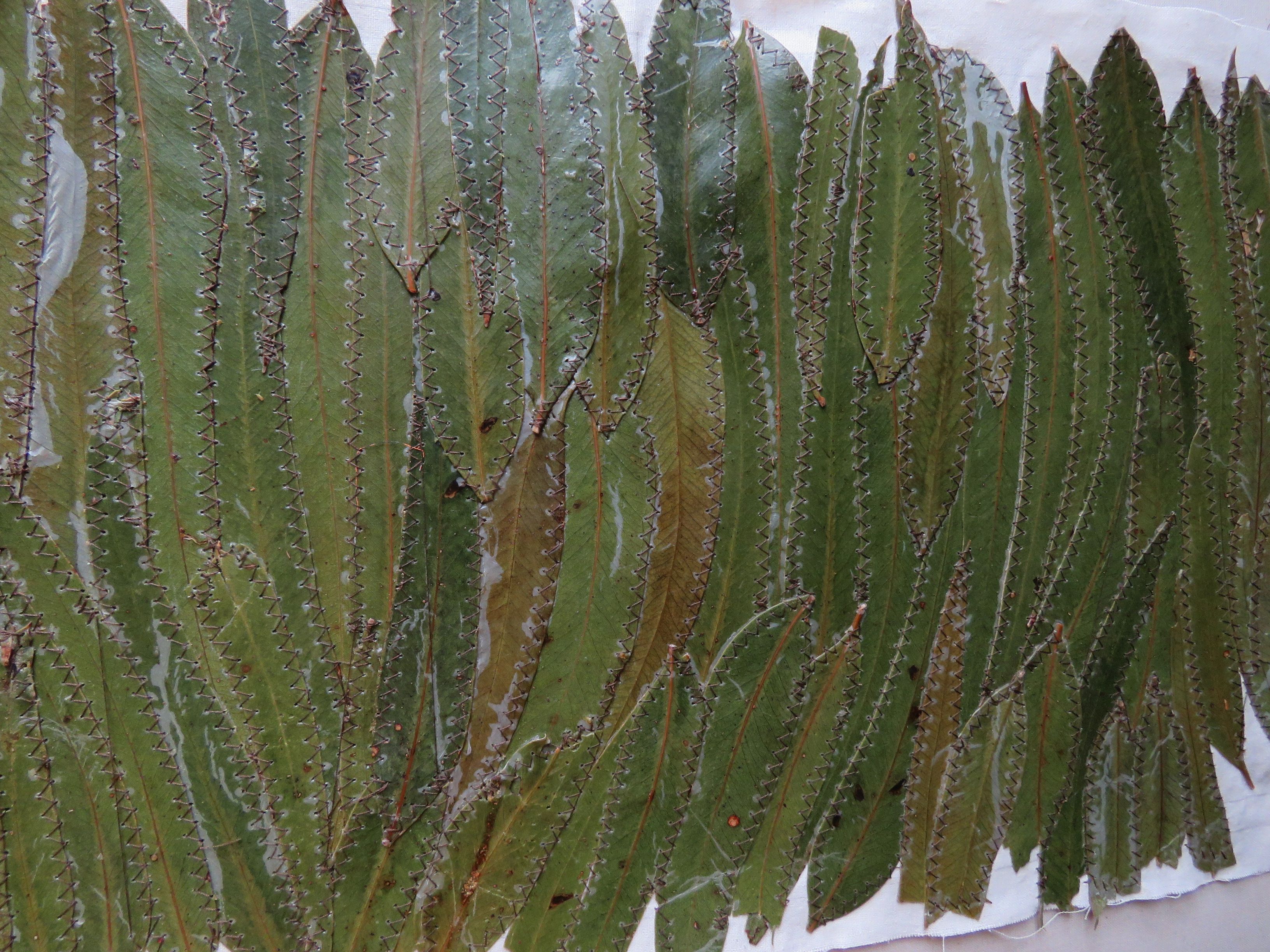
The glue de-laminated on the gum leaves as well, but it’s less noticeable in real life.
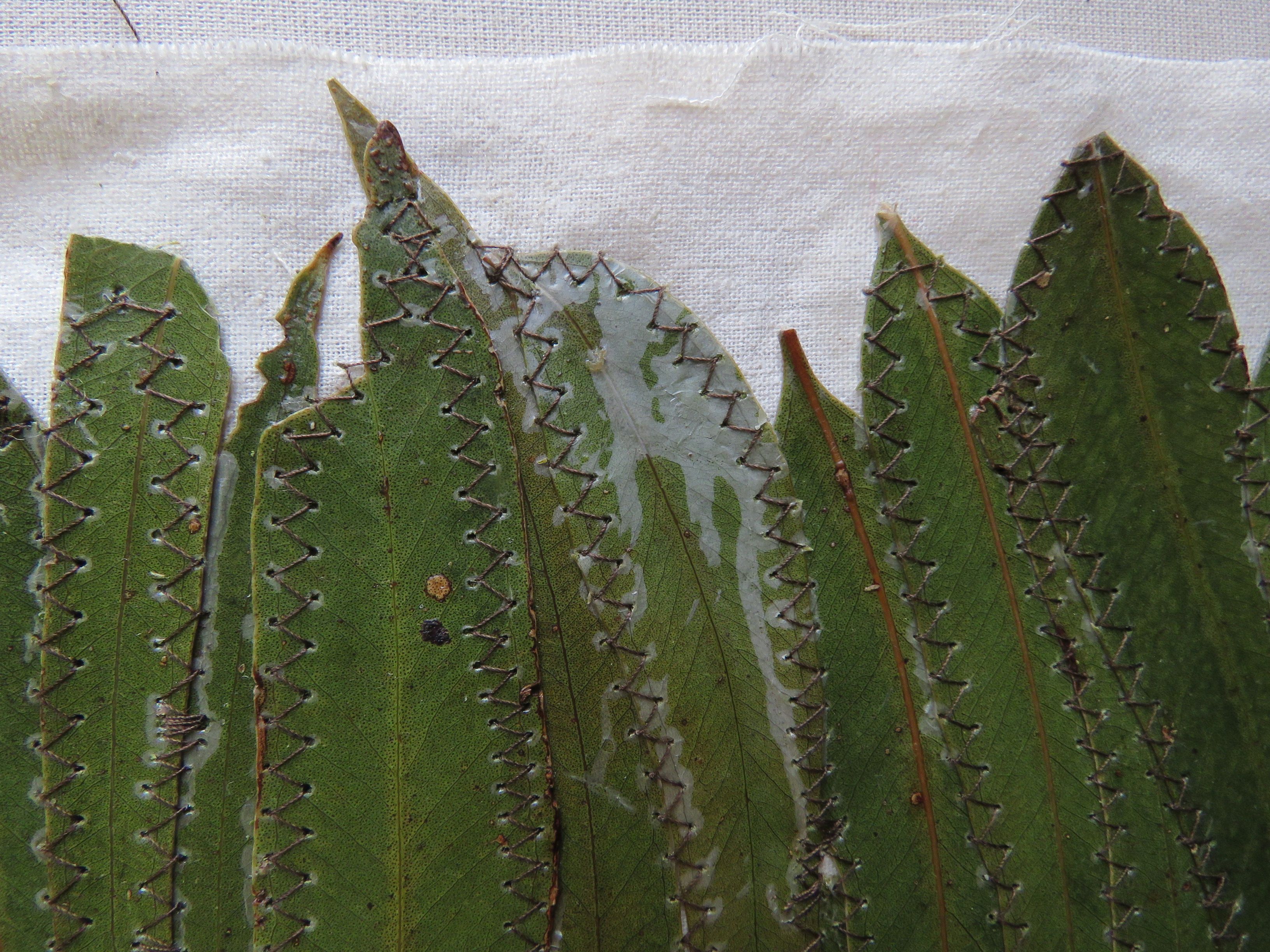
I like the gum leaf fabric very much. If I were a fashion student, I might try and make a bigger piece to use for a gown, for a grad parade or something (maybe like this).
Thoughts:
I wonder if a stronger solution of glycerine, or a longer soaking time, or both, would work better?
The gum leaves, being tougher, are more prone to breaking when the fabric is folded. More/longer glycerine time?
If we did this again, we would experiment with a more suitable glue. Homemade book binding glue?
If you’re homeschooling, this would be a really fun project to do together.
Cheers!
Discover more from The Craft of Clothes
Subscribe to get the latest posts sent to your email.
This looks like SO MUCH FUN ! Luckily for me, I don’t have enough room and time to try 😀 A chemist colleague of mine told me she has tested the method and insists on the glycerin ratio, less is NOT better, her test ended up in a mess.
It was a lot of fun, more than we expected. Had some interesting conversations with teens on why we don’t wear leaves.
I saw on your newsletter that you were speculating about clothing made from leaves. There are two things it makes me think of:
there are Japanese kimonos made of washi paper (made from inner bark of paper mulberry bush) , some information here
https://drs.britishmuseum.org/projects/Paper_People_Making_clothing_from_paper_in_Japan/233435
I know of a couple of handspinners who treated paper (including sewing patterns!) with conjac root solution and then spun and handwoven and sewn from it (purses and pouches)
And there’s Hawaiian kapa cloth which is bark cloth pounded from paper mulberry inner bark. I saw some of it in an exhibition on Kauai.
Granted, neither is leaves but interesting nonetheless!
Thanks Anu for sharing those. I’ve just spent an interesting time looking them up.
Then I wondered about Australia, if we had any indigenous heritage of leaf or grass textile making. I didn’t realise Pandanus grew in Australia and was used here too. Also reed weaving (I actually own a basket like this, made by an Aboriginal woman, but without the handle).
Just read the leaf material article. Looks good.
As an artist, I really liked the different colours of leaves at their different stages – very evocative…
It’s always good to read things that inspire creatives and can lead to.new expressions in their work.
So thanks for this!
Thanks for reading, Pamela. We were a bit sorry that the strong reds faded after the glycerine bath, but they still look very beautiful together.